Fully automated testing
Qualitative analysis with fast separation and good resolution of serum and urine samples.

Fully automated monoclonal proteins identification by Capillarys electrophoresis.

Immunotyping is used to detect and identify monoclonal proteins in serum and urine. Serum and urine proteins are mixed with specific antisera against Gamma- (IgG), Alpha- (IgA), Mu- (IgM) heavy chains Kappa (κ) and Lambda (λ) free and bound light chains.
Immunoglobulins specifically react with their corresponding antiserum and each antiserum pattern (IgG, IgA, IgM, κ and λ) is automatically overlaid with the ELP (Protein Electrophoresis) reference curve. Disappearance of the abnormality in the antiserum-treated pattern indicates the presence of a monoclonal protein.
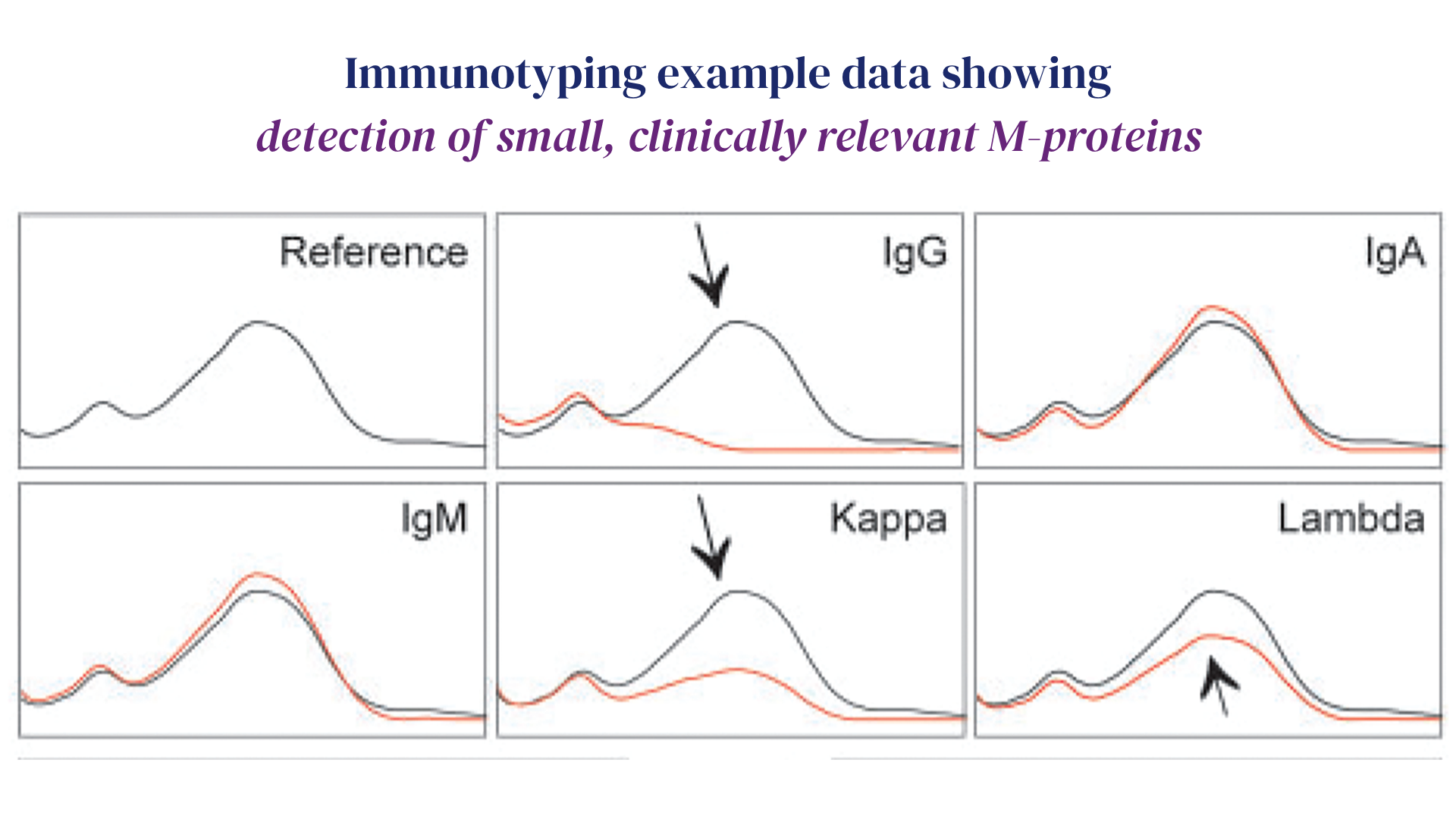
Qualitative analysis with fast separation and good resolution of serum and urine samples.
for quick identification of suspect monoclonal proteins (IgG, IgA, IgM, Kappa (κ) and Lambda (λ)) involved in gammopathy.
for an optimum reaction performance and correct monoclonal component identification.
to best fit the need for all sized laboratories, from a standalone instrument to workcell configuration.
Serum & Urine
Sensitivity
Throughput (tests/hour)*
IMMUNOTYPING
*Firmware-dependent; contact your local Sebia representative for current information.
**Maximum Capacity or MC designation refers to Tube Loader CAPILLARYS 3 - P/N: 1249 and Rack Conveyor CAPILLARYS 3 - P/N: 1250 associated with CAPILLARYS 3 TERA - P/N: 1246.
No content available.
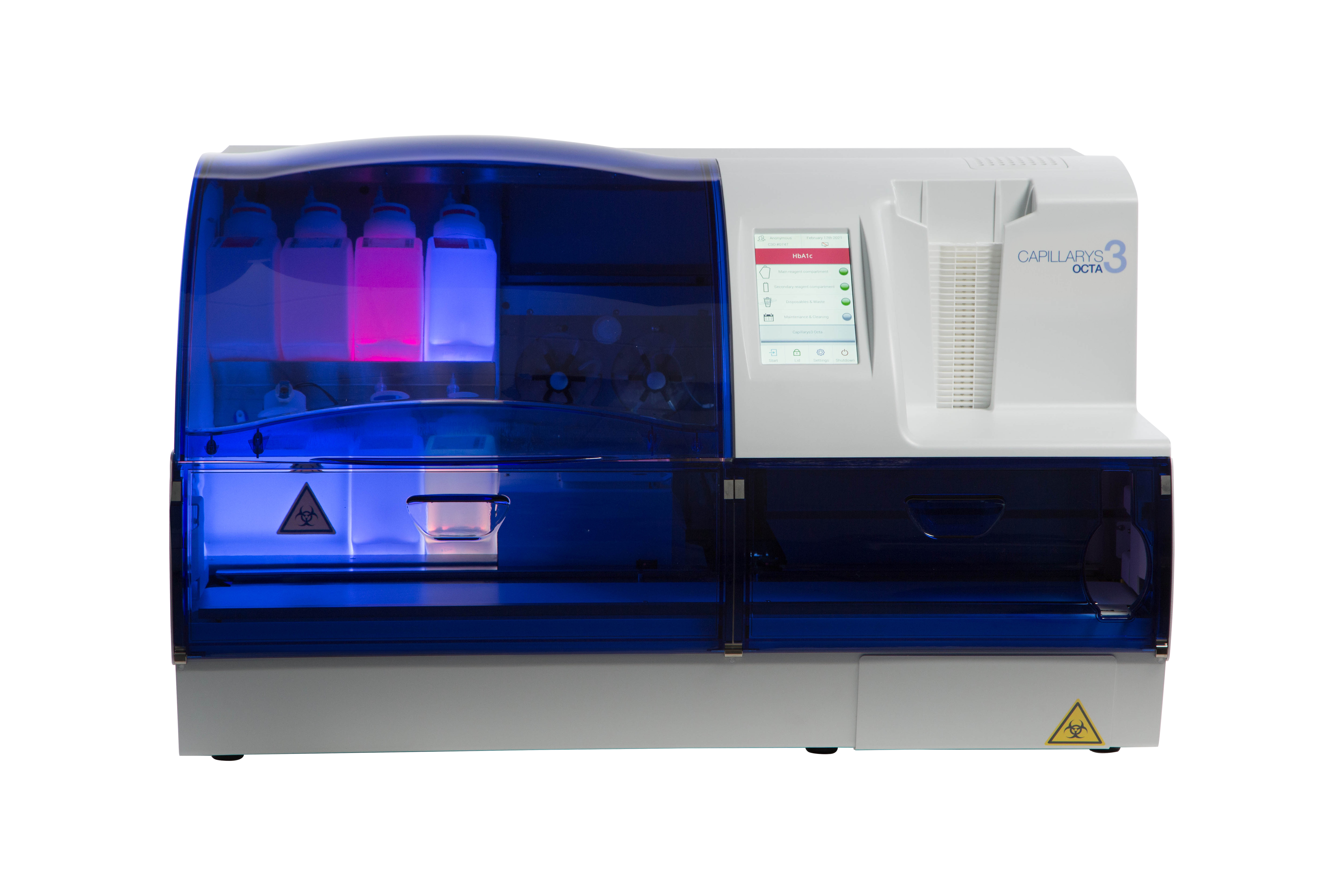
The compact and affordable automation of Capillary Electrophoresis.
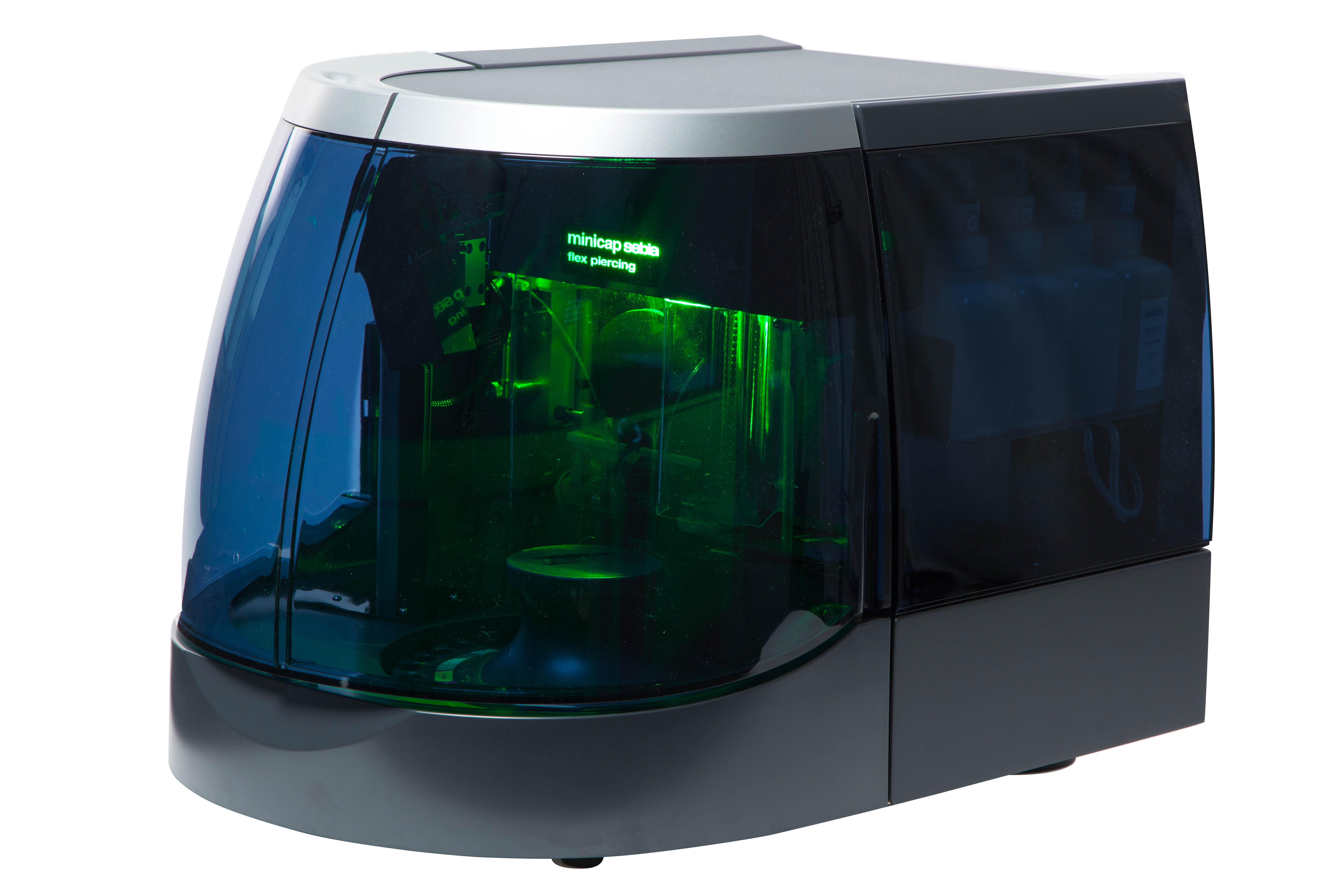
Capillary Electrophoresis solution to meet your high capacity needs.
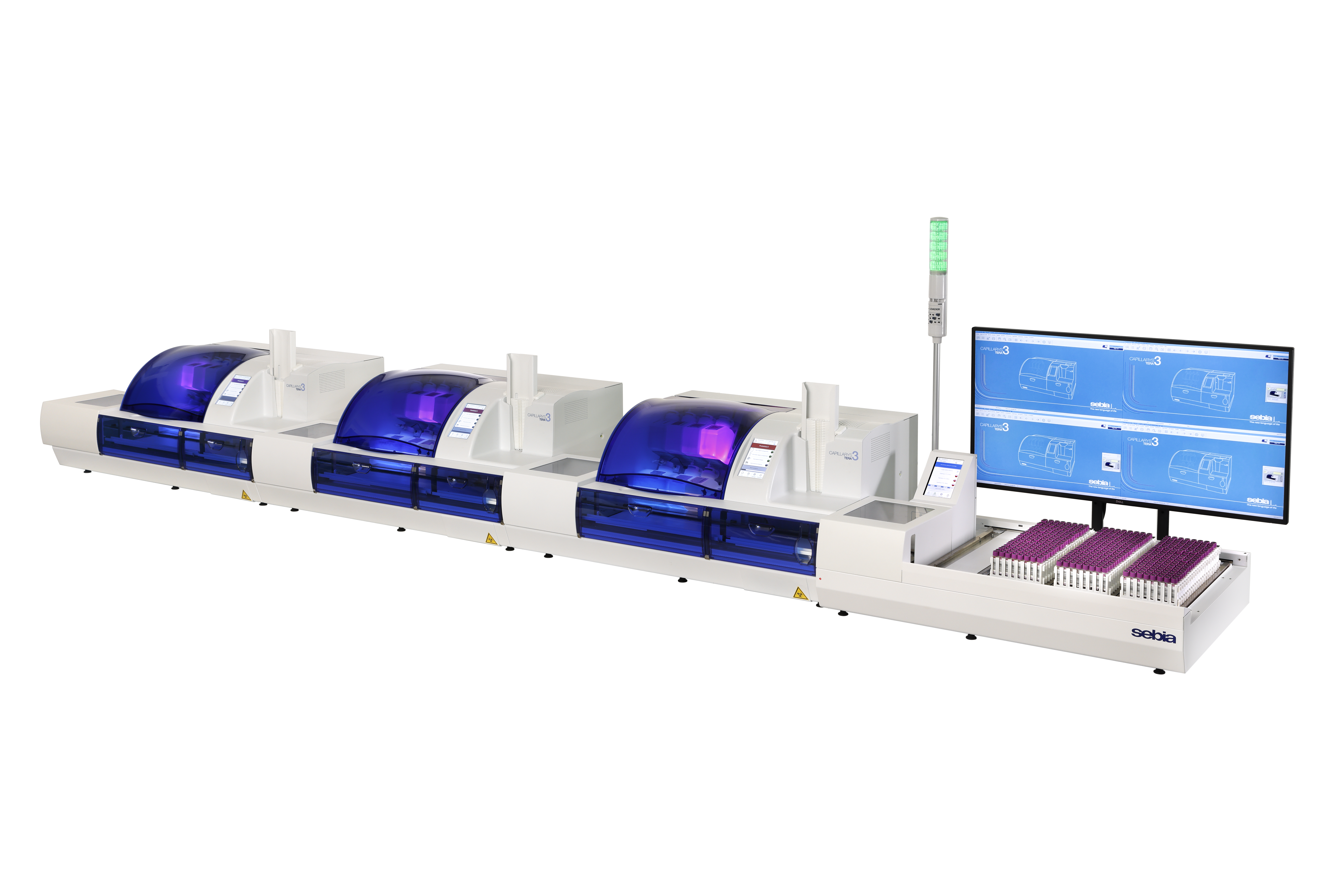
A concentrate of Sebia’s expertise in a high throughput instrument.
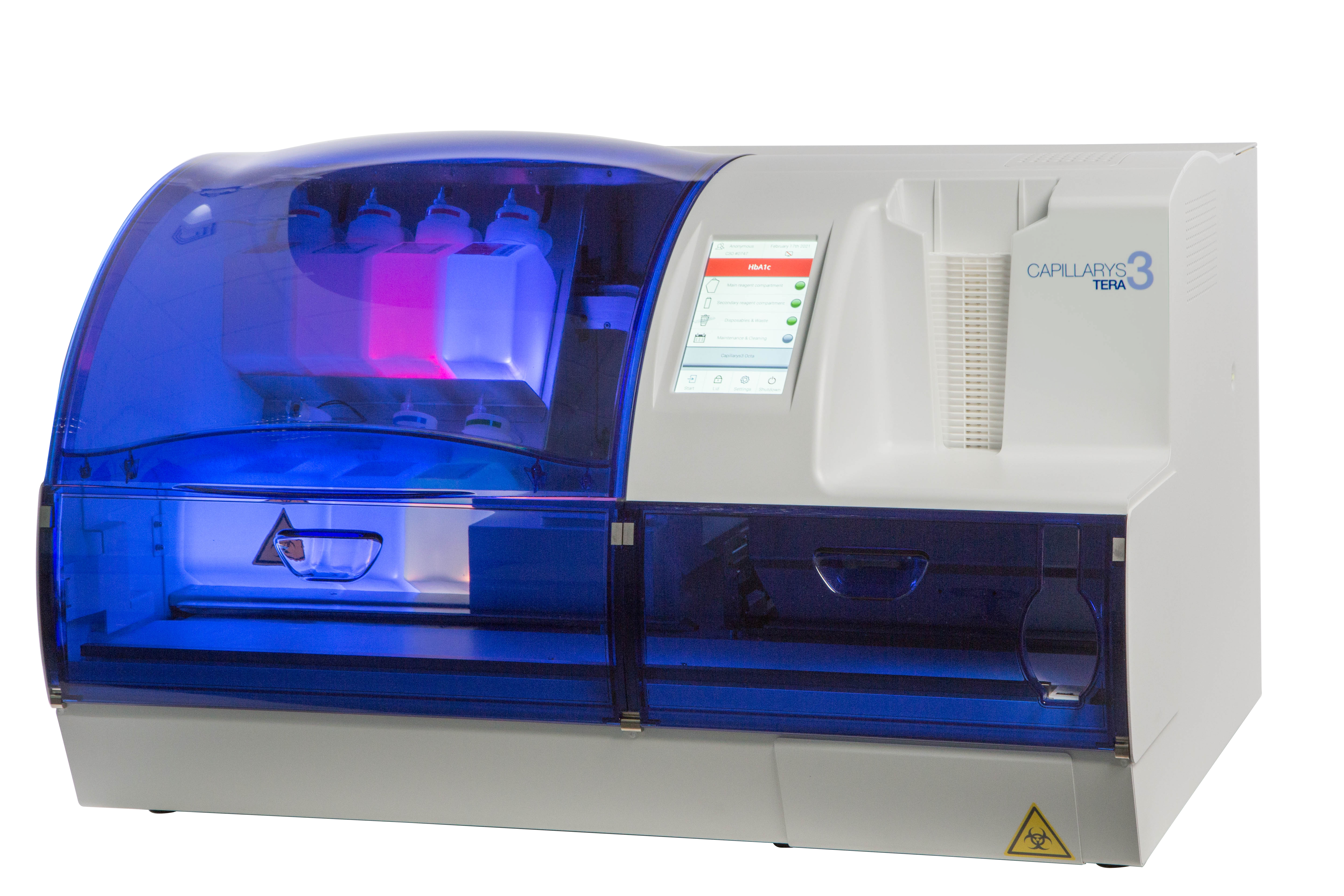
Evolution makes the difference.
This section contains information intended for wide distribution and may therefore contain product details or information that is not available or valid in your country.
Please contact your local Sebia representative. Information intended for healthcare professionals.
Carefully read the instructions in the reagent package inserts and instrument manuals.