
Pitfalls and ceveats of A1AT diagnosis
Pitfalls and caveats in α1-antitrypsin deficiency testing: a guide for clinicians.

α1-antitrypsin deficiency (AATD) remains the only readily identified genetic cause of chronic obstructive pulmonary disease (COPD). Furthermore, there is growing evidence that even a moderate deficiency increases the risk of lung disease among smokers. Despite these facts, the uptake of testing for AATD in at-risk populations remains low for many reasons, and a lack of clarity among clinicians regarding the most appropriate diagnostic techniques presents a major deterrent.
This 2019 guide for α1-antitrypsin deficiency testing addresses the benefits of A1AT diagnosis, the technical basis of the available diagnostic methods. AAT phenotyping by isolectric focusing is part of the available diagnostic methods and it allows detection of multiple variants of AAT in one assay.
The topics covered should equip clinicians with the core knowledge required to confidently assess patients for AATD and increase the number of AATD testing.

Test associated with this resource
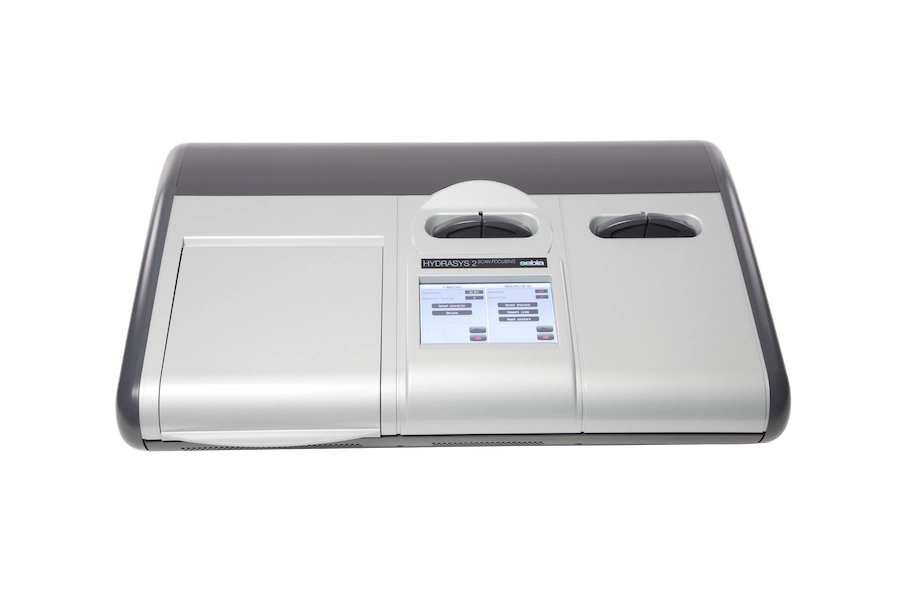
Related instrument
Large menu with high quality results on gel electrophoresis.
This section contains information intended for wide distribution and may therefore contain product details or information that is not available or valid in your country. Please contact your local Sebia representative. Information intended for healthcare professionals. Carefully read the instructions in the reagent package inserts and instrument manuals.