Step 1: Take an appointment
This is achieved by measuring the concentration of the glucose by different analytical tests: mainly FPG (Fasting Plasma Glucose) and OGTT (Oral Glucose Tolerance test)
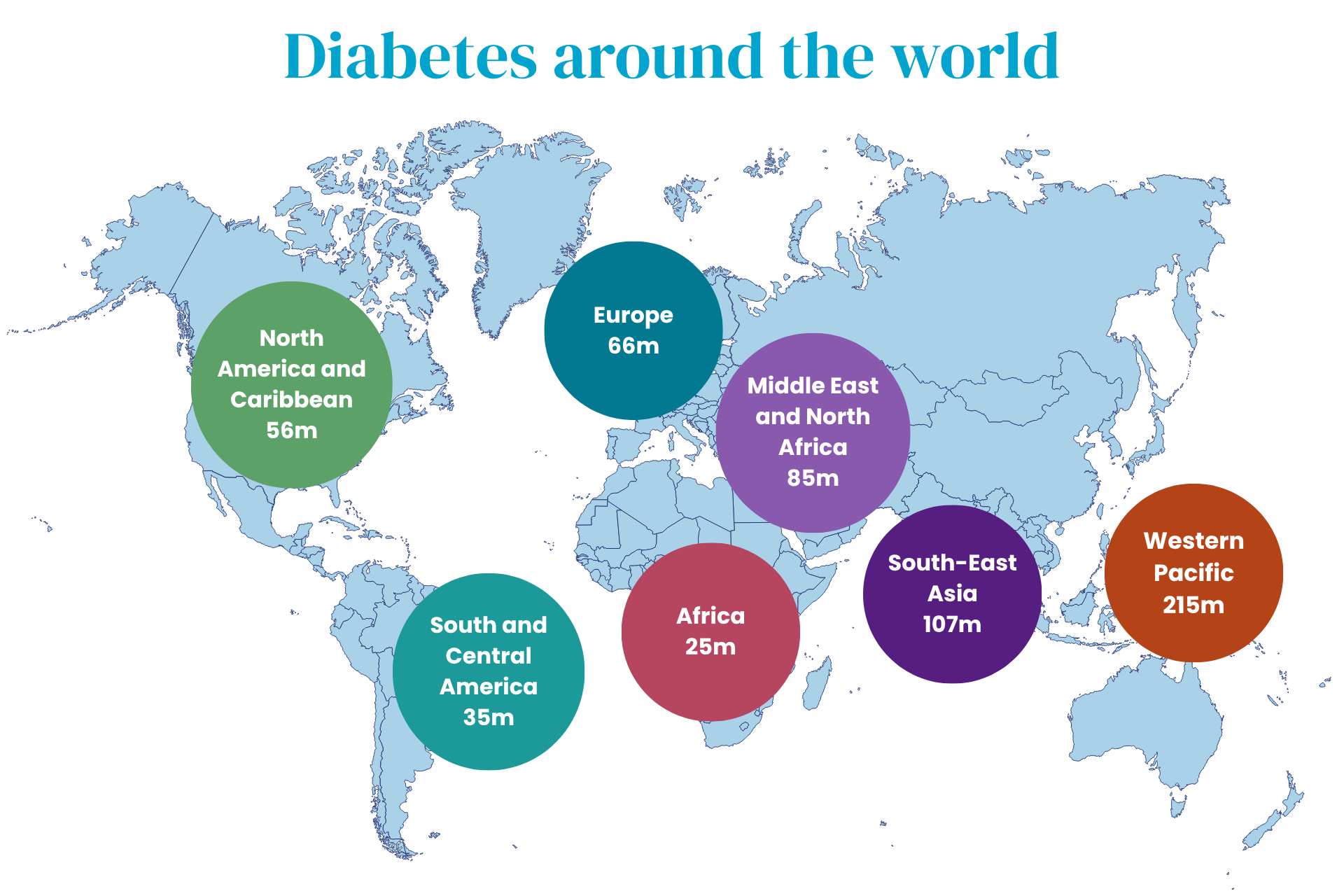

Diabetes is broadly classified into two main types:
In addition, gestational diabetes (GDM) refers to elevated blood glucose levels first detected during pregnancy.
People living with diabetes face a higher risk of developing serious health complications. Persistently elevated blood glucose can lead to long‑term and potentially irreversible damage to the heart and blood vessels, eyes, kidneys, nerves, and oral health. Individuals with diabetes are also more susceptible to infections.
Overall, diabetes is a major cause of cardiovascular disease, vision loss, kidney failure, and lower‑limb amputation.
589 million adults (20-79 years) are living with diabetes – 1 in 9. This number is predicted to rise to 853 million by 2050
Diabetes is a major cause of early illness and death worldwide, and its prevalence continues to rise.
Satisfied customers
Would recommend working with Elyne
Is my birthday, don't forget
blablbnalba
This is achieved by measuring the concentration of the glucose by different analytical tests: mainly FPG (Fasting Plasma Glucose) and OGTT (Oral Glucose Tolerance test)
This is achieved by measuring the concentration of the glucose by different analytical tests: mainly FPG (Fasting Plasma Glucose) and OGTT (Oral Glucose Tolerance test)
This is achieved by measuring the concentration of the glucose by different analytical tests: mainly FPG (Fasting Plasma Glucose) and OGTT (Oral Glucose Tolerance test)

This is a test page for content

This is a descrption
Evolution makes the difference.
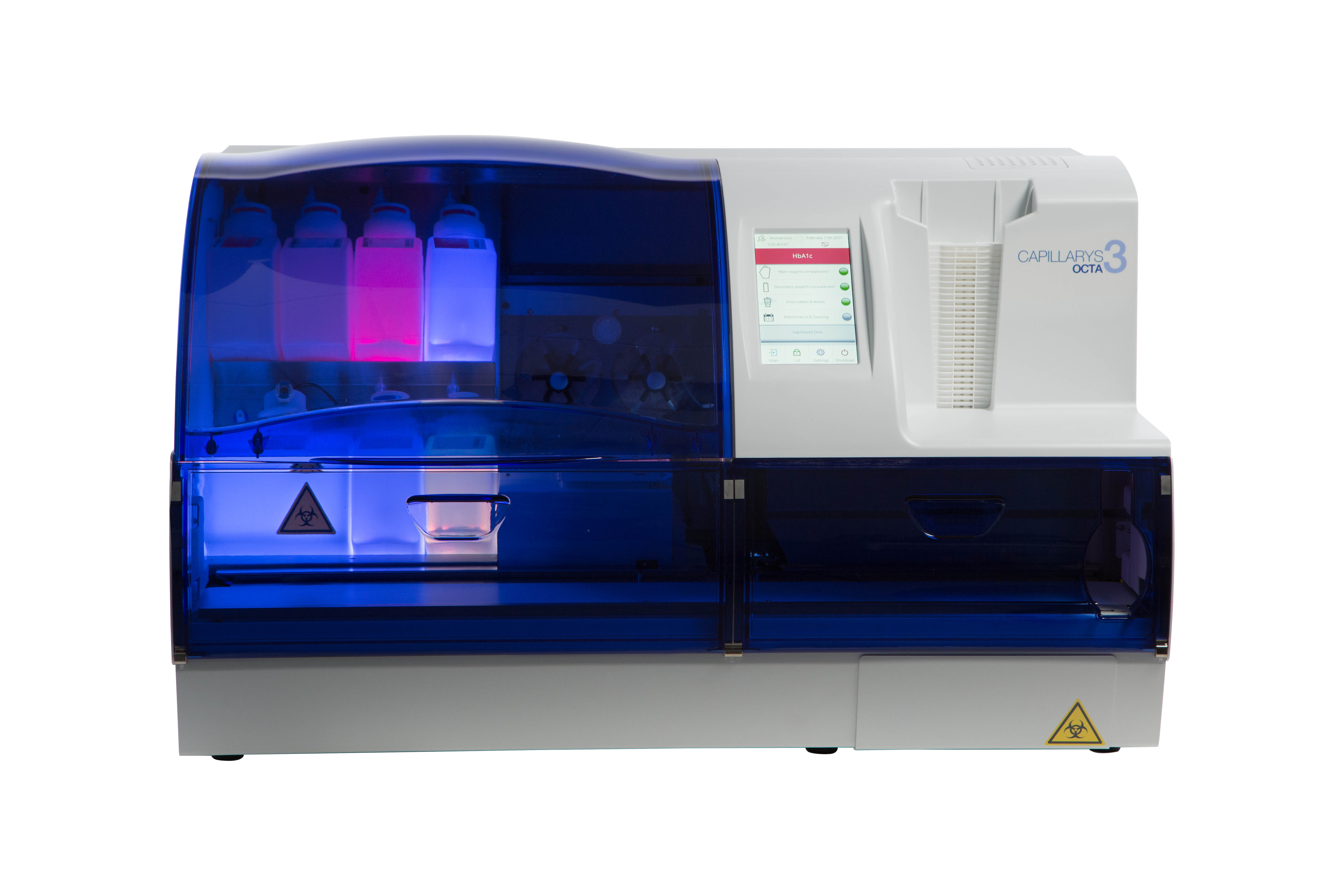
A concentrate of Sebia’s expertise in a high throughput instrument.
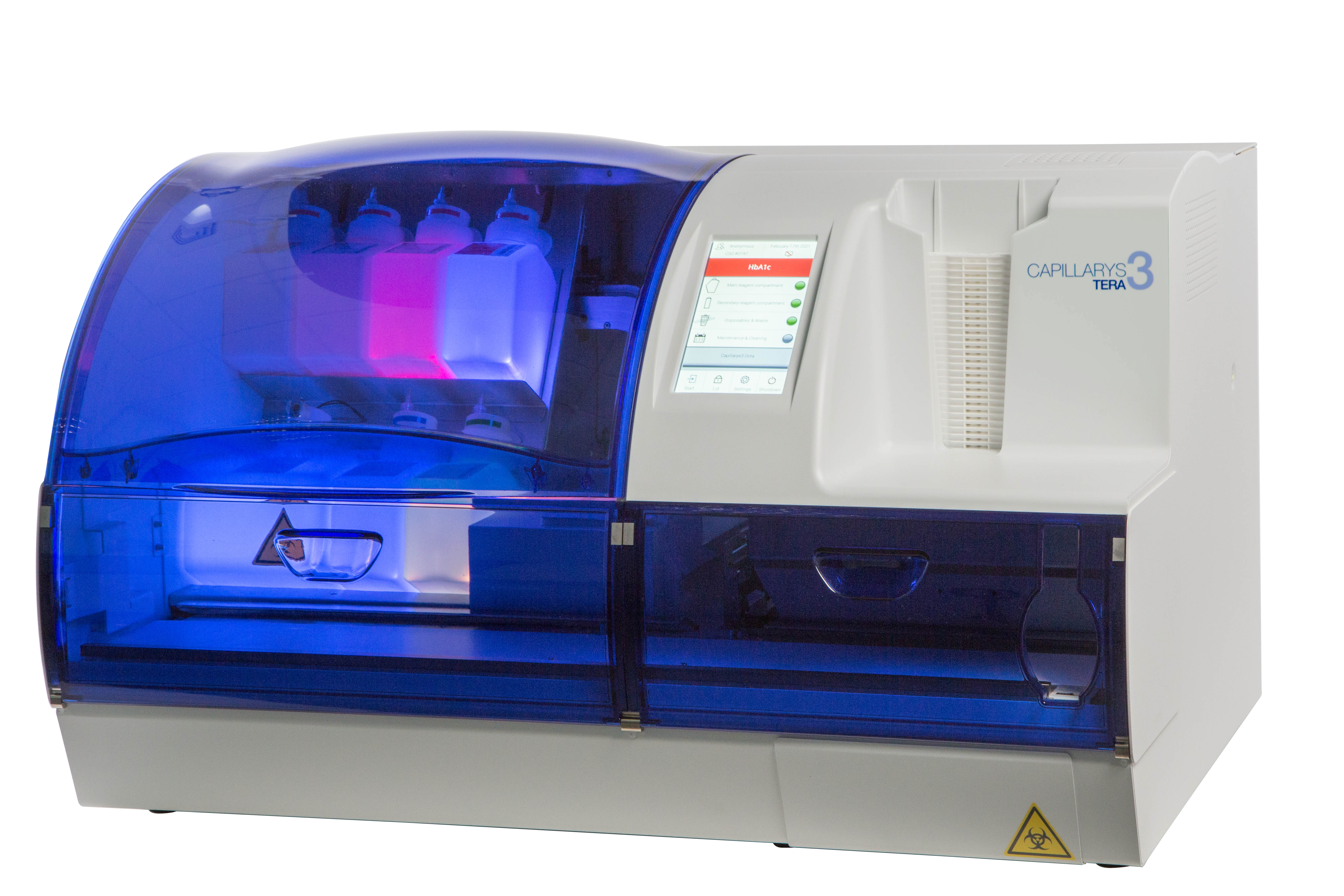
Advanced capillary electrophoresis system for clinical diagnostics
Blablabla this is some extra text
This section contains information intended for wide distribution and may therefore contain product details or information that is not available or valid in your country.
Please contact your local Sebia representative. Information intended for healthcare professionals.
Carefully read the instructions in the reagent package inserts and instrument manuals.