Select Your Region

We noticed you visit this page from United States. Please select your preferred region to continue

skip to content

Country Selector

Based on your location

Europe

North America

Latin America

Asia-Pacific

Antiphospholipid Syndrome

Unique Accuracy in APS Diagnostics.

Antiphospholipid syndrome (APS) is a systemic autoimmune disease characterized by recurrent thrombosis, pregnancy morbidity, and a variety of other non-thrombotic manifestations. Patients are characterized by persistent antibodies against phospholipids and/or phospholipid-binding plasma proteins, which are responsible for the hypercoagulability of the blood. The classical APS criteria are based on the presence of lupus anticoagulant (LA), anticardiolipin (aCL), and anti-β2 glycoprotein I (anti-β2GPI) antibodies combined with clinical events such as thrombosis or pregnancy complications. Non-criteria APS antibodies, including anti-phosphatidylserine/prothrombin (aPS/PT) and anti-annexin V, are increasingly recognized for identifying patients with APS manifestations not captured by the traditional criteria.

Antiphospholipid syndrome can lead to serious consequences, including recurrent blood clots, pregnancy loss, organ damage, and long-term disability if not properly managed.

Knowledge & Science

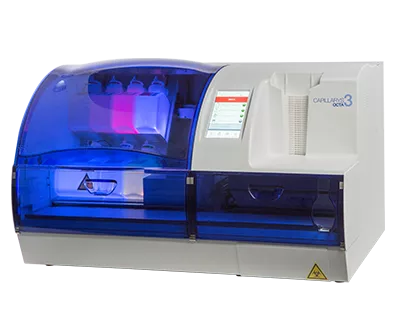
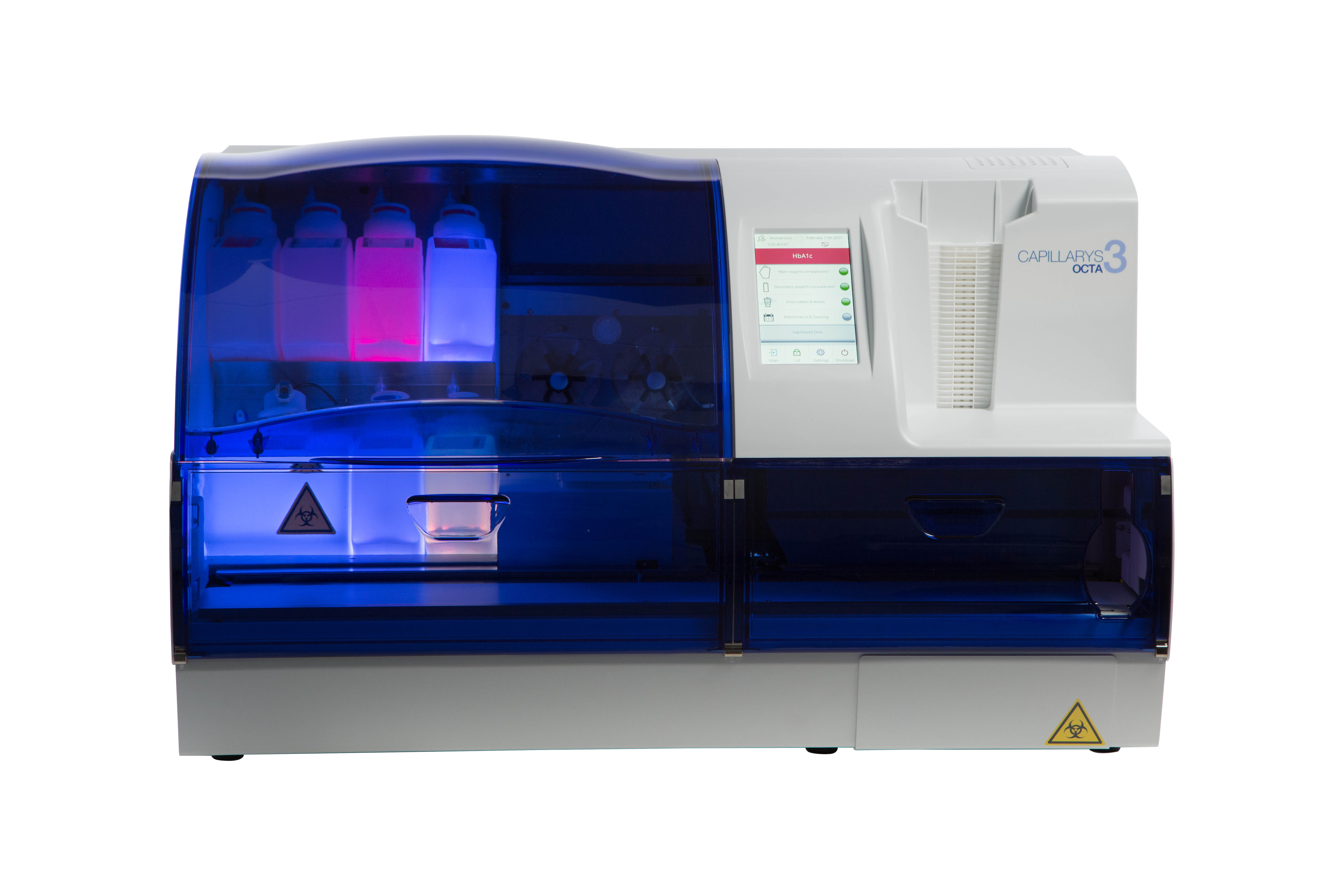
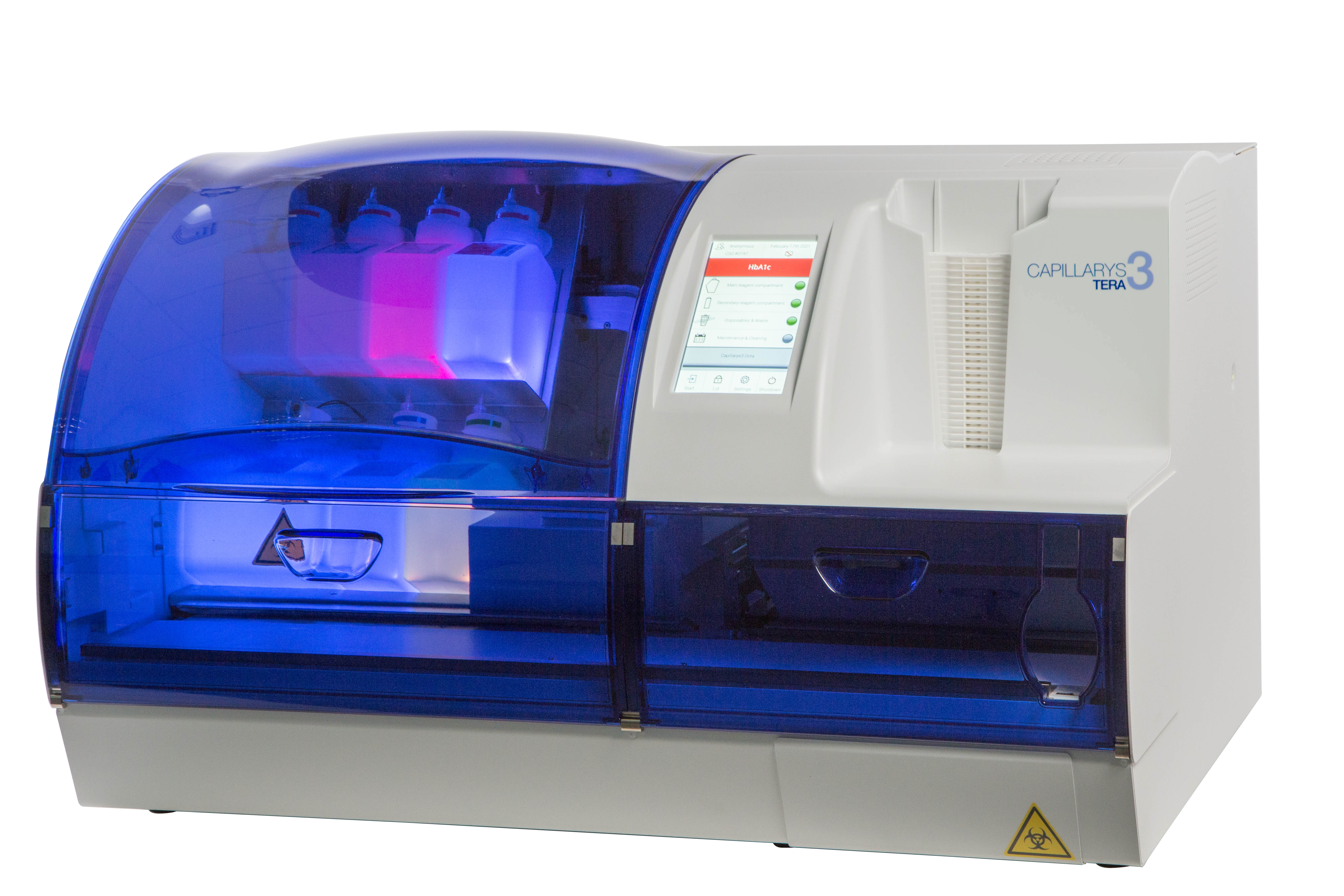
Instruments for diagnosing Antiphospholipid Syndrome

NO NEED TO Configure - Automatic content selection of pages based on tags

This section contains information intended for wide distribution and may therefore contain product details or information that is not available or valid in your country.

Please contact your local Sebia representative. Information intended for healthcare professionals.
Carefully read the instructions in the reagent package inserts and instrument manuals.