
Discover the main applications related to the CDT marker
CDT is a sensitive and specific marker of chronic alcohol abuse, used in several contexts and notably including forensic settings, industries, clinical applications.

The Carbohydrate-deficient Transferrin (CDT) marker is commonly used for assessing chronic alcohol abuse. This marker is associated with a high specificity and benefits from an internationally recognized certification set up by the International Federation of Clinical Chemistry (IFCC). Using this approach, any individual with CDT result of 1.8% or higher is considered « clinically positive » across the globe, while any result over 2% is « forensically positive » to reduce the possibility of legal challenges. The CDT marker is included in many local guidelines and recommendations for different applications (clinical use, forensic settings, transportation safety, life insurance policies…) as its value for chronic alcohol abuse detection has been demonstrated for more than a decade.
Based on capillary electrophoresis technique, Sebia has developed a reliable and automated solution for CDT testing.
Download our leaflet and discover several applications related to the CDT marker.

Test associated with this resource
Related instrument
Capillary Electrophoresis solution to meet your high capacity needs.
A concentrate of Sebia’s expertise in a high throughput instrument.
Evolution makes the difference.
The compact and affordable automation of Capillary Electrophoresis.
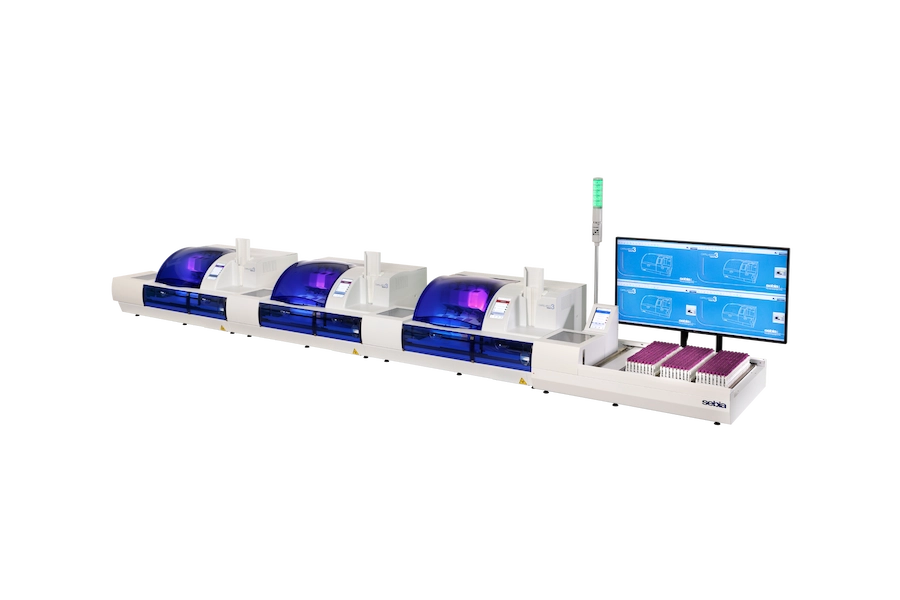
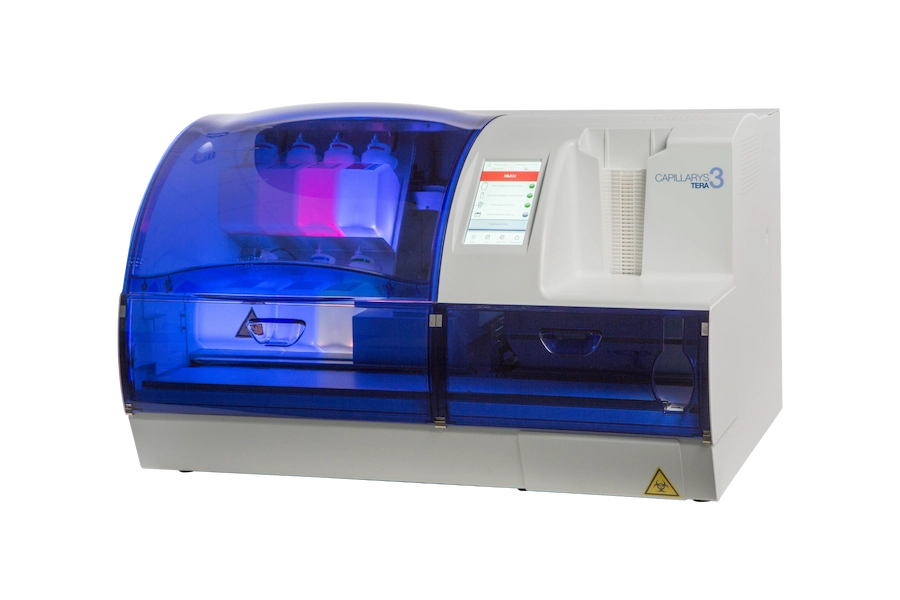
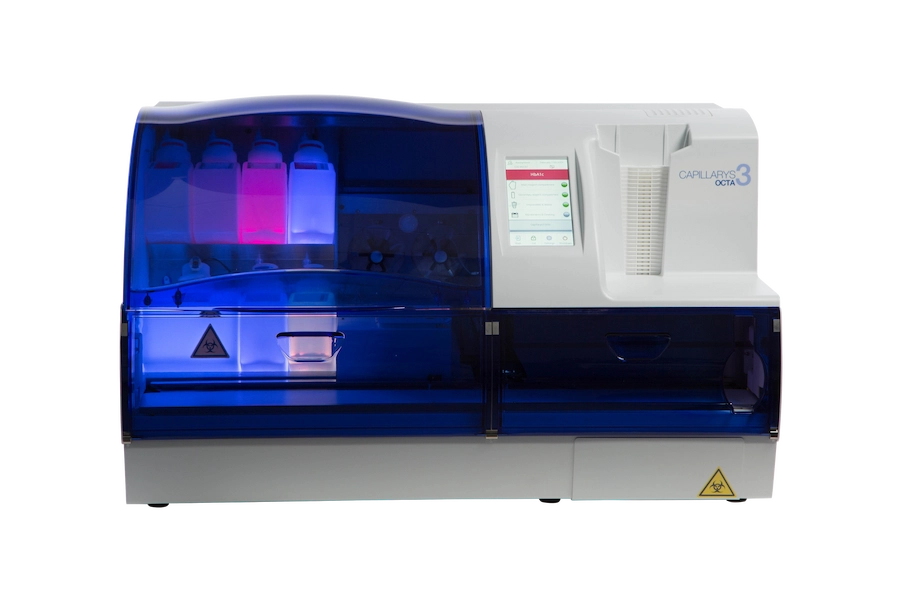

Featured resources on Alcoholism
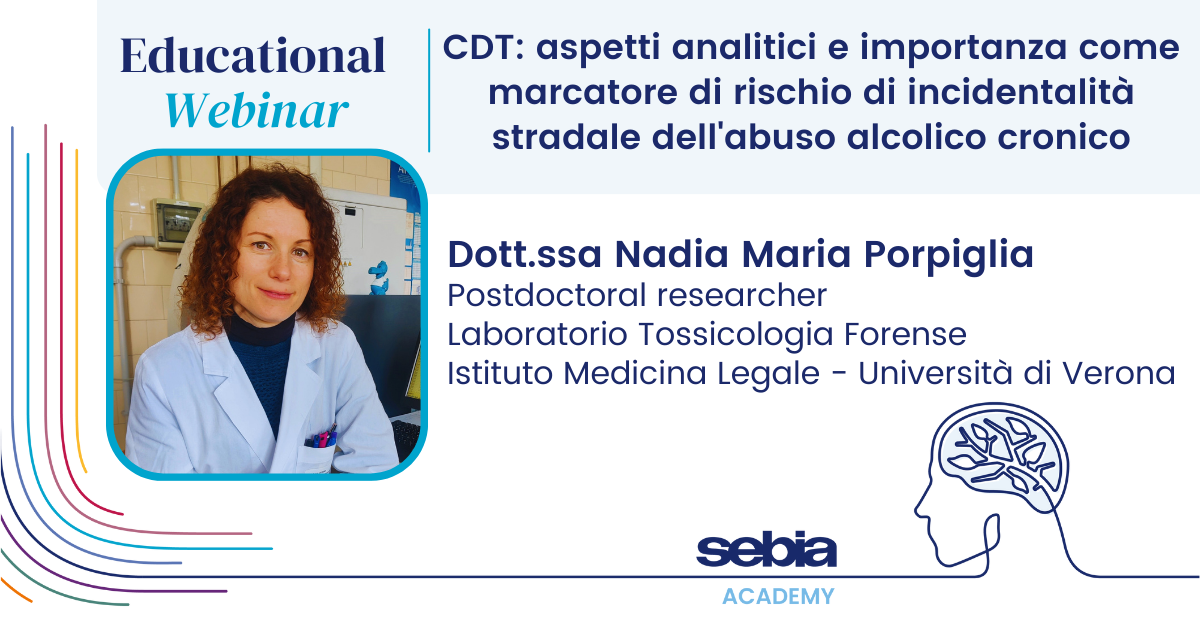
Educational Webinar with Dr Nadia Maria Porpiglia
Educational Webinar with M. Jean Deenmamode, IFCC Working Group Chair

This section contains information intended for wide distribution and may therefore contain product details or information that is not available or valid in your country. Please contact your local Sebia representative. Information intended for healthcare professionals. Carefully read the instructions in the reagent package inserts and instrument manuals.