HbA1c
- Capillary Electrophoresis
- Diabetes

This article reminds the reader of the importance of detecting the Hb variants when measuring HbA1c for the labs and clinicians to better interpret the results and to ensure optimal management of the diabetic patient.

Diabetes mellitus affects over 30 million Americans, and 1.5 million Americans are diagnosed with diabetes every year.
In addition to monitoring whole blood glucose, it is recommended by the American Diabetes Association (ADA) to test diabetic patients for hemoglobin A1c (HbA1c) two to four times per year. The completed HbA1c results in a patient’s medical record is used as an indicator of the quality of medical care and can play a role in monetary reimbursement.
Regarding these guidelines and reimbursement practices, and knowing the absence of a HbA1c data point may result in a lowered quality score for the clinician, are there clinical reasons why a patient should not have HbA1c reported or be reported with caution?
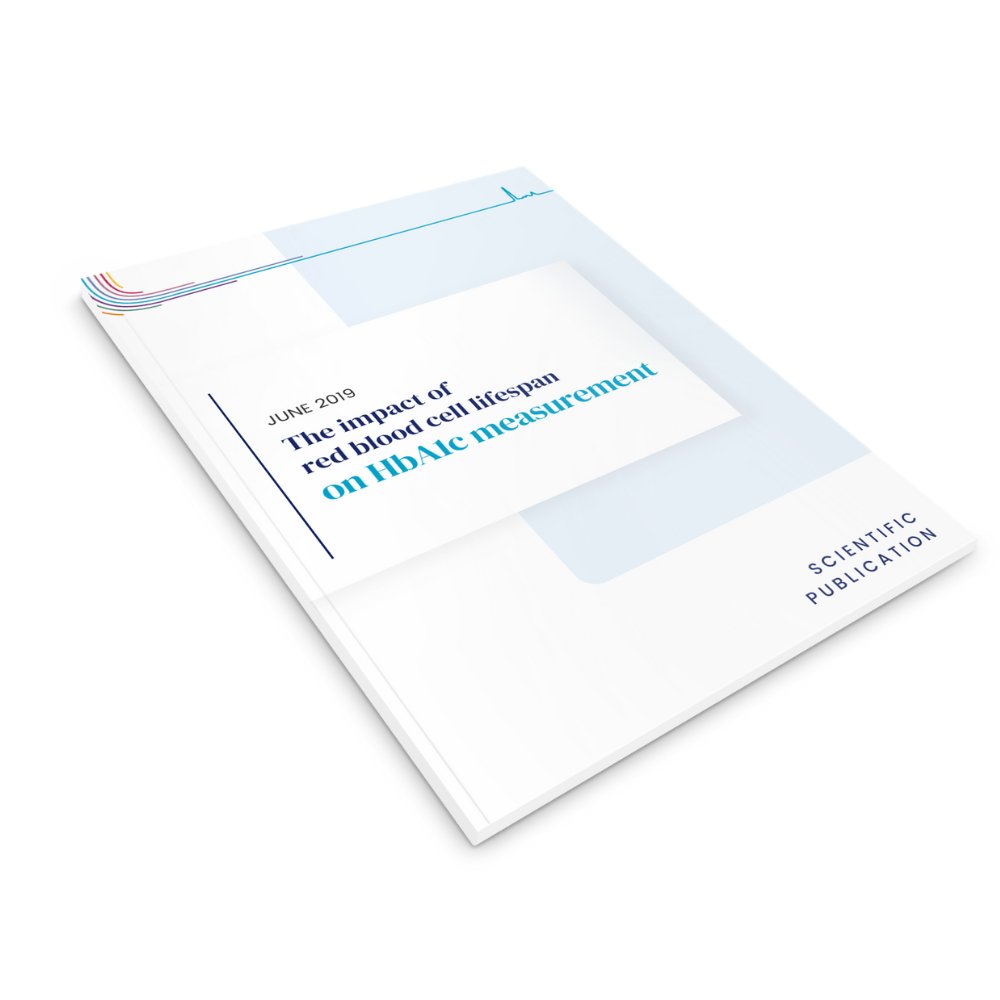
This article will discuss the role of red blood cell (RBC) lifespan on HbA1c results, clinical interference on HbA1c results, and cases where HbA1c should not be reported for clinical reasons. This article will provide a perspective to those laboratorians who, depending upon the test method, must answer the question, why didn’t the laboratory provide a result on my patient today?
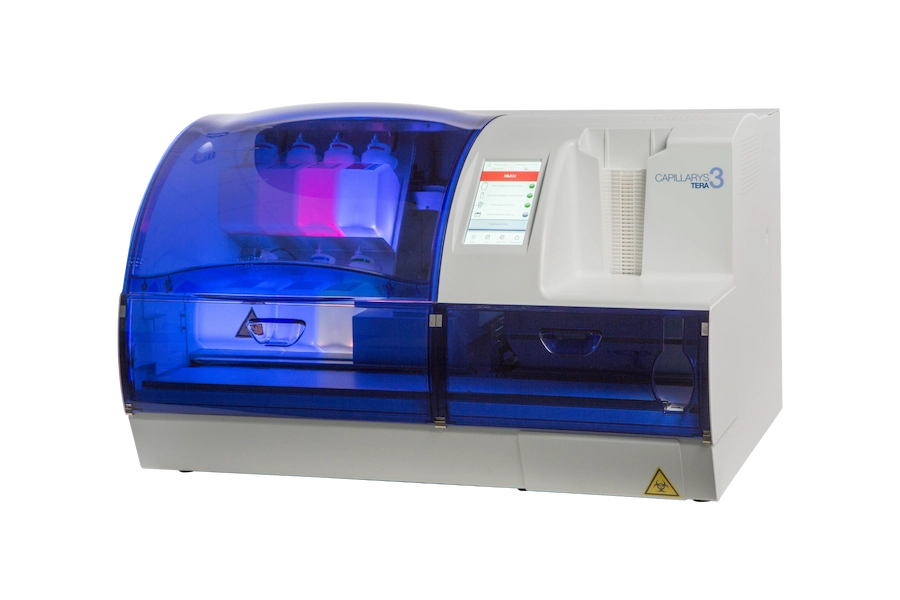
A concentrate of Sebia’s expertise in a high throughput instrument.
Evolution makes the difference.
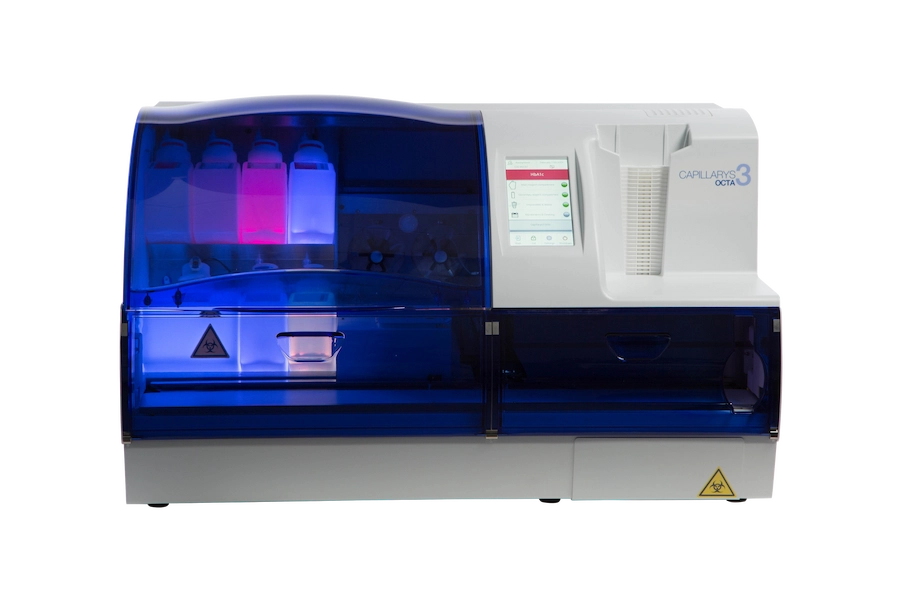
The compact and affordable automation of Capillary Electrophoresis.

This section contains information intended for wide distribution and may therefore contain product details or information that is not available or valid in your country. Please contact your local Sebia representative. Information intended for healthcare professionals. Carefully read the instructions in the reagent package inserts and instrument manuals.