Apply the latest ADLM/ADA recommendations for HbA1c testing
Understand the updated evidence-based guidelines for the diagnosis and management of diabetes mellitus.
Recently, the American Association of Clinical Chemistry (AACC), now Association of Diagnostics & Laboratory Medicine (ADLM), in collaboration with the American Diabetes Association (ADA) released evidence-based guidelines and recommendations for the laboratory analysis in diagnosing and managing patients with diabetes mellitus with a goal of providing better patient care. Compared to the previous versions of the guidelines, published in 2002 and 2011, there are additions to the current version that make it clear there is a potential for misleading HbA1c results; and the document offers advice on what laboratories should be considering when it comes to using HbA1c in screening, diagnosing, and monitoring patients with diabetes.
This webinar is presented in English.

Understand the updated evidence-based guidelines for the diagnosis and management of diabetes mellitus.
Learn how to use HbA1c effectively for diabetes screening, diagnosis, and patient monitoring.
Identify circumstances that can cause discordant HbA1c results and explore alternative testing strategies to ensure accurate clinical decision-making.
The lab should be aware of potential limitations of their hemoglobin A1c assay method and interferences within their patient population.

Comprehensive data analysis and interpretation software for Sebia assays on Electrophoresis instruments.
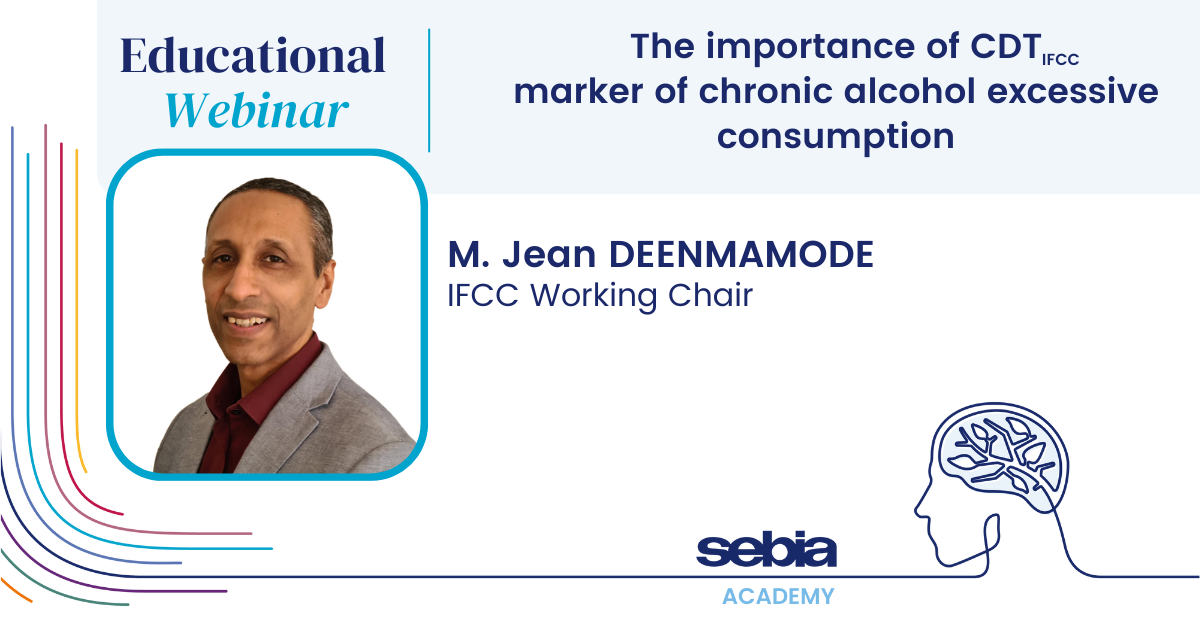
Educational Webinar with M. Jean Deenmamode, IFCC Working Group Chair
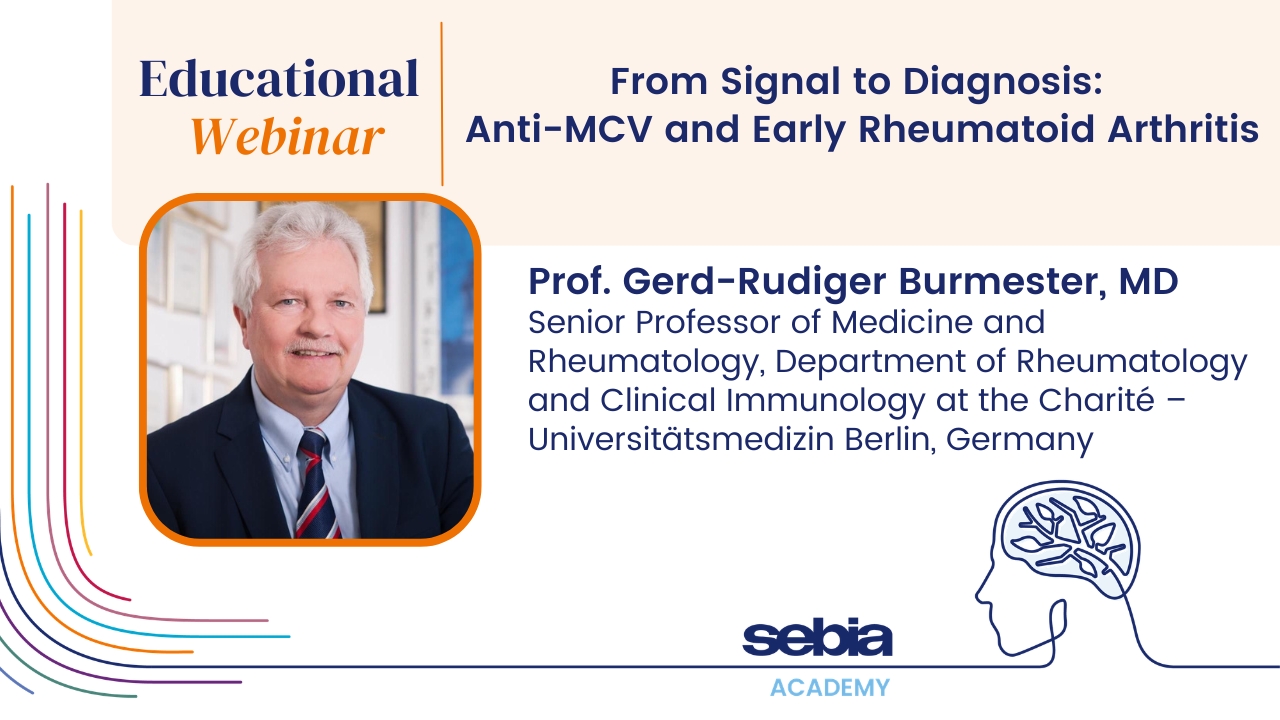
Educational Webinar with Gerd-Rüdiger Burmester, MD & Roberto Fiorillo
This section contains information intended for wide distribution and may therefore contain product details or information that is not available or valid in your country. Please contact your local Sebia representative. Information intended for healthcare professionals. Carefully read the instructions in the reagent package inserts and instrument manuals.