Recognize the impact of healthcare disparities in plasma cell disorders
Understand why multiple myeloma is often diagnosed later in certain populations and how targeted screening can help improve patient outcomes.

Plasma cell dyscrasias (PCDs) are a group of diseases, including Multiple Myeloma, characterized by the presence of monoclonal proteins in the blood or urine due to plasma cell proliferation in the bone marrow. The presenting symptoms can often mimic those of more common conditions, such as diabetes. To accurately screen for and diagnose these disorders, various tests are required, including but not limited to serum protein electrophoresis (SPEP), serum and urine immunofixation (IFE), and serum free light chain assays.
This webinar is presented in English.

Dr. Joseph Mikhael will discuss healthcare disparities that contribute to delayed Multiple Myeloma diagnoses and poor outcomes, emphasizing the need for targeted screening in high-risk Black/African American and Hispanic communities with comorbidities.
Dr. Christopher Farnsworth will present a comparative study of two serum free light chain assays—Freelite and Sebia ELISA—conducted on 176 patients with comorbidities, excluding Multiple Myeloma and other plasma cell disorders, 33% of whom are Black/African American. This webinar will examine the clinical specificity of these assays (68.7% vs. 87.5%) in diagnosing plasma cell disorders in patients with complex health conditions.
Understand why multiple myeloma is often diagnosed later in certain populations and how targeted screening can help improve patient outcomes.
Explore the analytical and clinical considerations of serum free light chain assays, SPEP, and immunofixation, including differences in sensitivity and specificity.
Learn how to select and interpret appropriate diagnostic tests for plasma cell disorders, particularly in patients with comorbidities and higher-risk populations.
When patients do have a lengthier delay in that diagnosis, it affects their organs. When we do intervene earlier, patients will do better.
Dr. Joseph Mikhael is a hematologist-oncologist and internationally recognized expert in multiple myeloma. He serves as Professor at the Translational Genomics Research Institute (TGen), City of Hope Cancer Center, and as Chief Medical Officer of the International Myeloma Foundation (IMF). Throughout his career, he has been dedicated to advancing the diagnosis, treatment, and equitable care of patients with plasma cell disorders.
A leading advocate for improving outcomes in underserved populations, Dr. Mikhael has spearheaded initiatives addressing healthcare disparities in multiple myeloma, particularly among Black/African American communities. He is a frequent speaker at international scientific conferences, has authored numerous peer-reviewed publications, and contributes to the development of clinical guidelines and educational programs aimed at enhancing myeloma care worldwide.
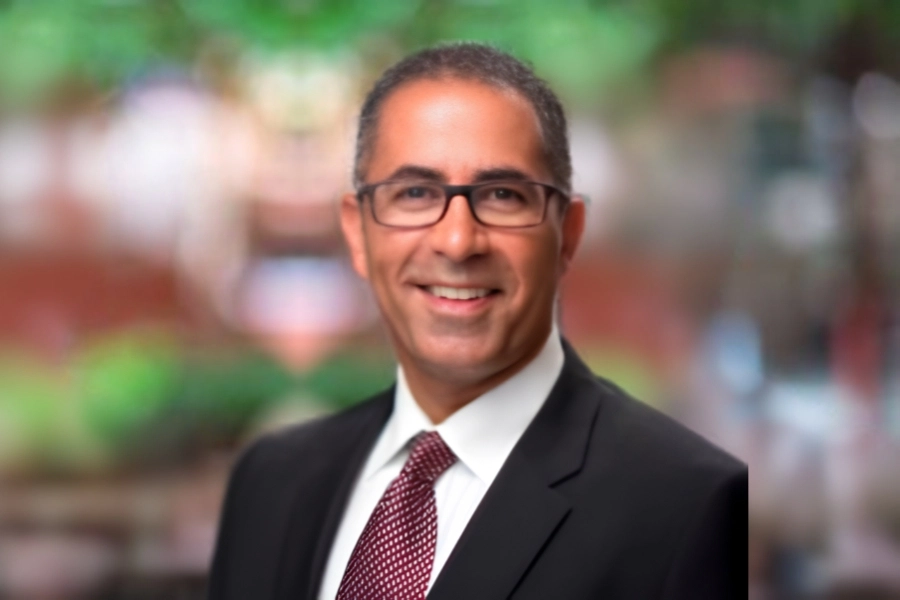
Dr. Christopher Farnsworth is an Associate Professor of Pathology and Immunology at Washington University School of Medicine in St. Louis, Missouri, where he serves as Section Head of Clinical Chemistry. He is also Medical Director of Clinical Chemistry and Point-of-Care Testing at Barnes-Jewish Hospital, one of the leading academic medical centers in the United States.
Dr. Farnsworth specializes in clinical chemistry, laboratory diagnostics, and the development and evaluation of biomarkers for disease detection and monitoring. His research focuses on improving laboratory testing strategies, including the assessment of serum free light chain assays and other diagnostic tools used in plasma cell disorders such as multiple myeloma and AL amyloidosis. Through his research, publications, and educational activities, he contributes to advancing evidence-based laboratory medicine and optimizing patient care through accurate and clinically meaningful diagnostic testing.

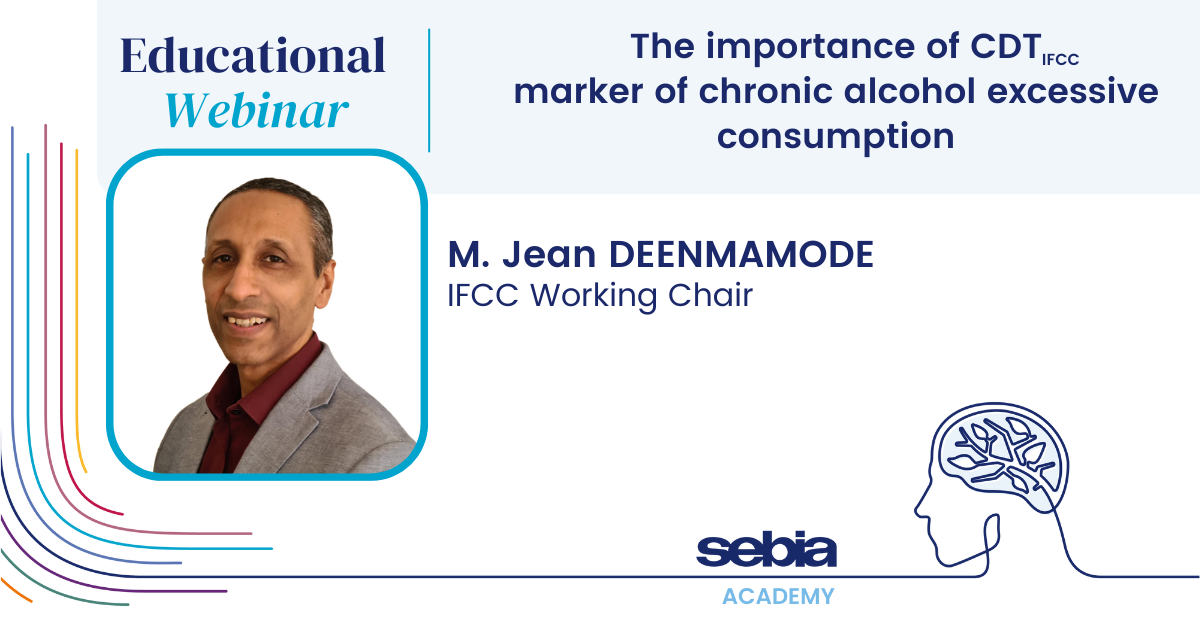
Educational Webinar with M. Jean Deenmamode, IFCC Working Group Chair
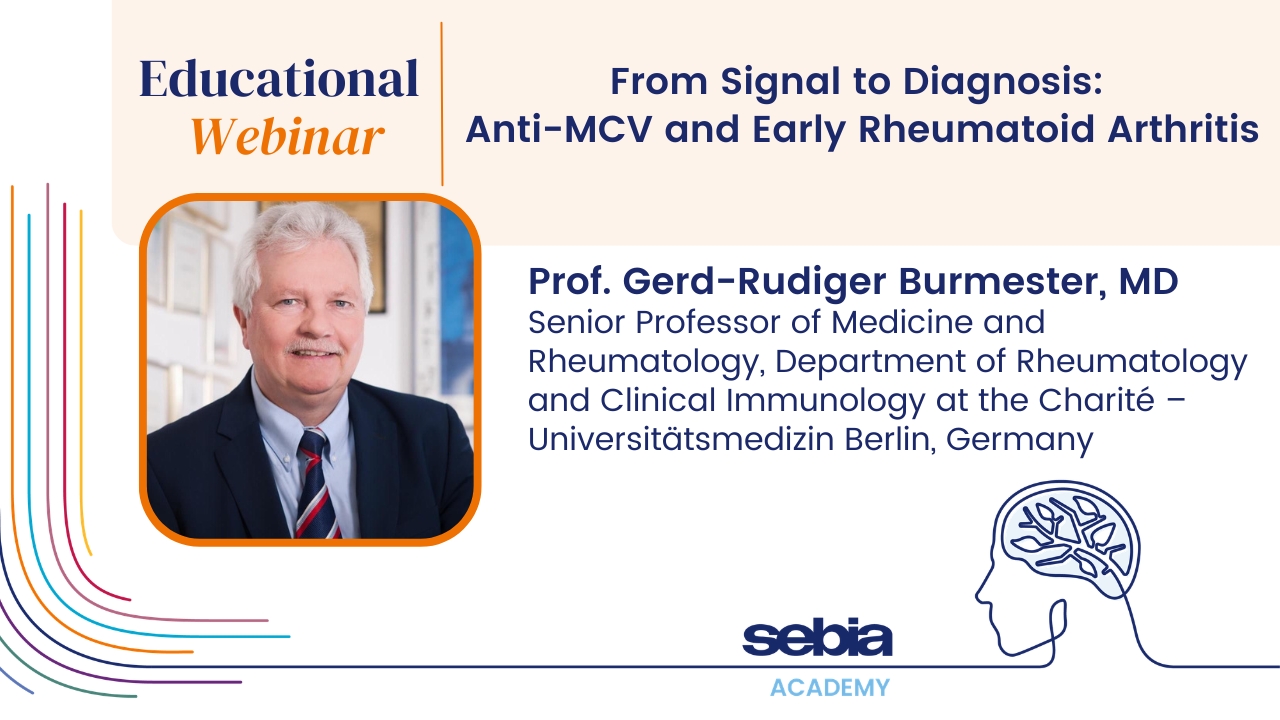
Educational Webinar with Gerd-Rüdiger Burmester, MD & Roberto Fiorillo
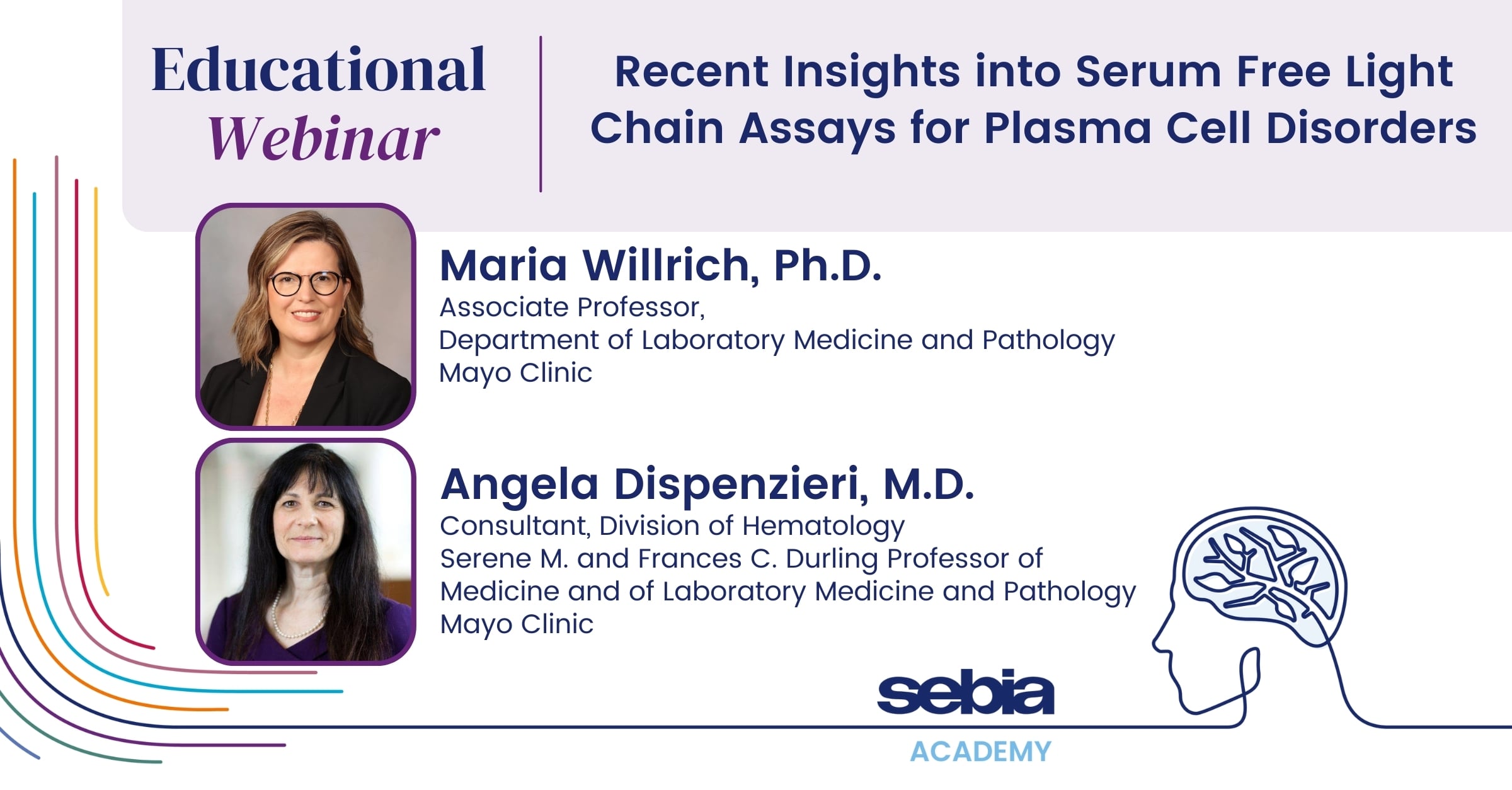
Educational Webinar with Dr. Maria Willrich & Dr. Angela Dispenzieri
This section contains information intended for wide distribution and may therefore contain product details or information that is not available or valid in your country. Please contact your local Sebia representative. Information intended for healthcare professionals. Carefully read the instructions in the reagent package inserts and instrument manuals.