How do we diagnose Hemoglobin disorders?
Hemoglobin electrophoresis is a well-established technique routinely used in clinical laboratories to screen patient samples for hemoglobinopathies (hemoglobin variants and thalassemias).
Many international organizations, including the Thalassaemia International Federation (TIF), the Centers for Disease Control and Prevention (CDC), and the Association of Public Health Laboratories (APHL), recognize the benefits of Sebia Capillary Electrophoresis (CE) technology, particularly its high resolution and the clarity of hemoglobin fraction profiles for screening hemoglobin disorders.
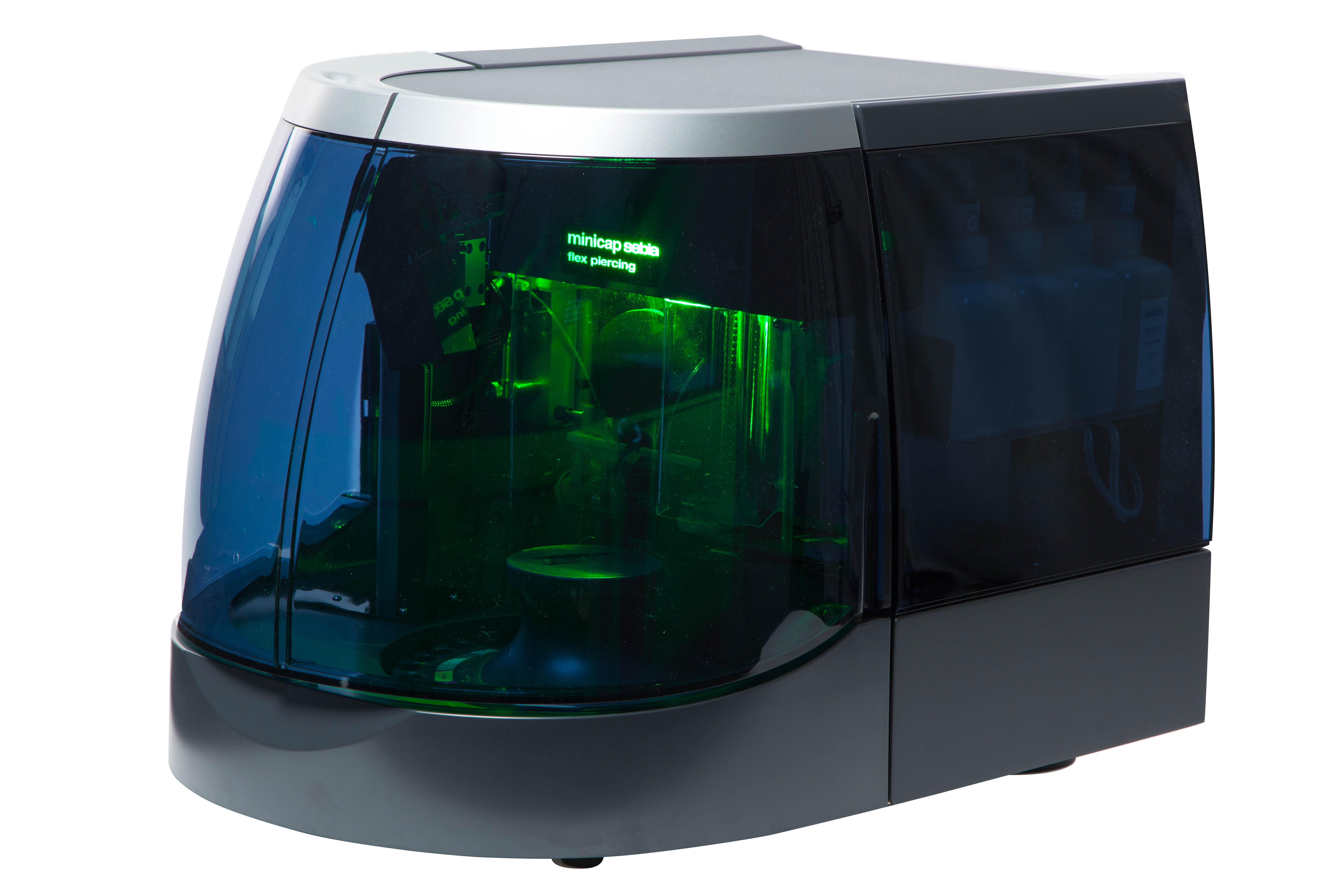
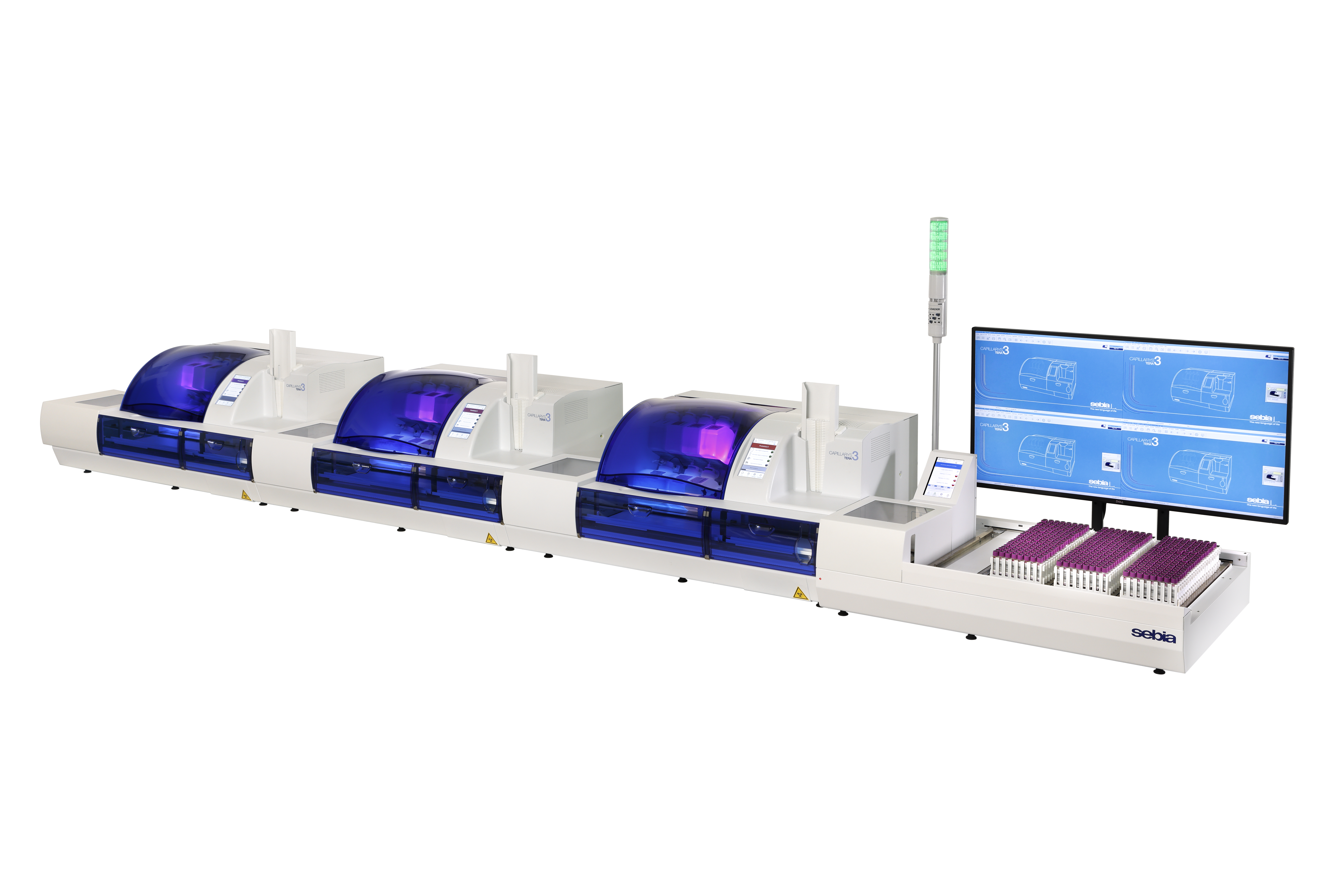
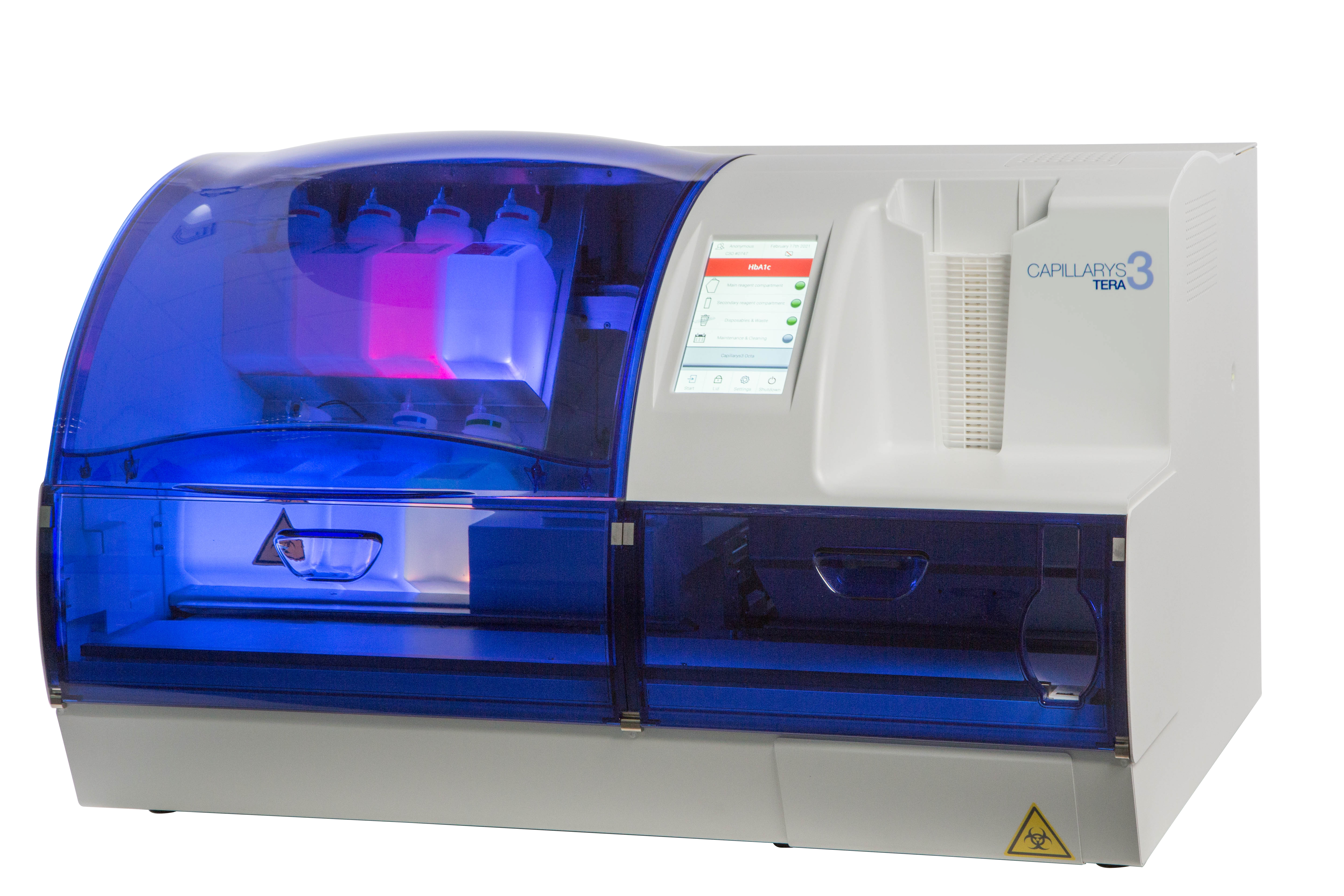
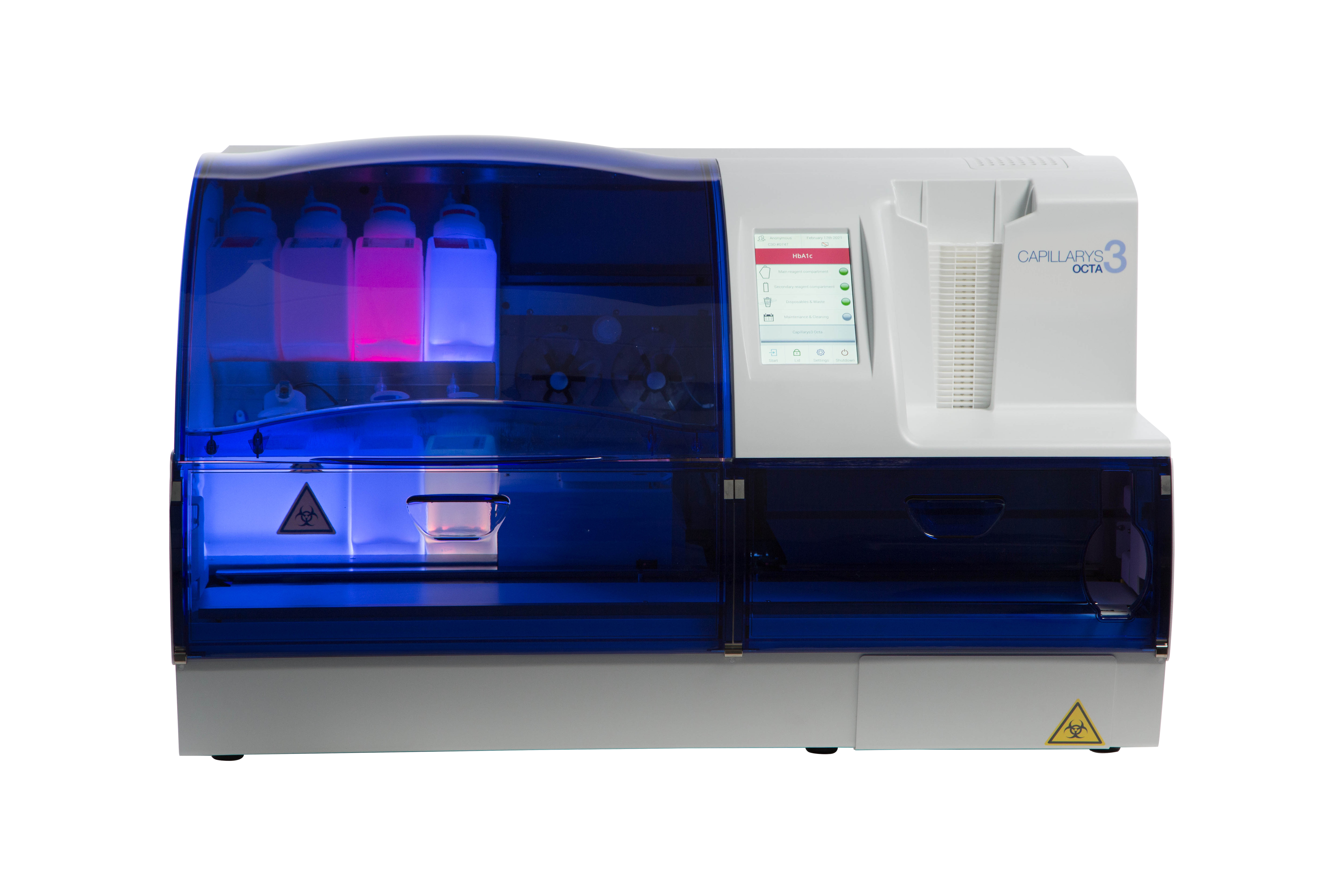
The CAPI 3 HEMOGLOBIN(E) and the MINICAP HEMOGLOBIN(E) kits are intended for the separation of the normal hemoglobins (A, A2 and F) in human blood samples, and for the detection of the major hemoglobin variants (S, C, E and D), by Capillary Electrophoresis in alkaline buffer (pH 9.4) with the Sebia CAPILLARYS 3 and MINICAP FLEX-PIERCING instruments.
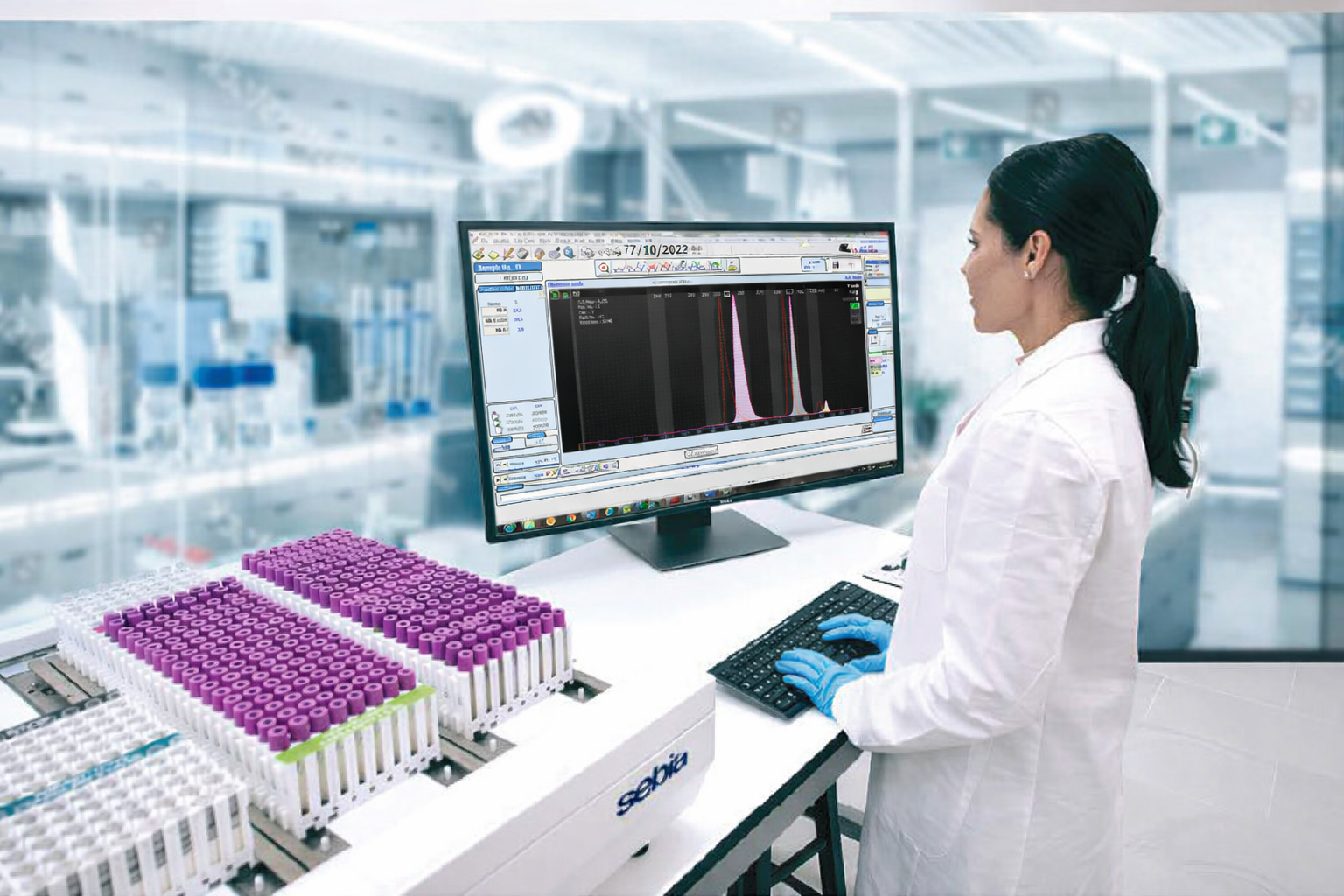
The CAPILLARYS 3 and MINICAP FLEX-PIERCING instruments are automated analyzers which perform a complete hemoglobin profile for the quantitative analysis of the normal hemoglobin fractions A, A2 and F and for the detection of major hemoglobin variants S, C, E and D. The assay is performed on the hemolysate of whole blood samples collected in tubes containing KEDTA as anticoagulant.