
Select Your Region

We noticed you visit this page from United States. Please select your preferred region to continue

skip to content

Country Selector

Based on your location

Europe

North America

Latin America

Asia-Pacific

Autoimmune Liver and Gastric Diseases

A complete solution for the diagnosis of gastric and liver autoimmune diseases.

Autoimmune liver and gastric diseases involve the immune system attacking components of the gastrointestinal (GI) tract, leading to chronic inflammation and tissue damage. These disorders can affect different organs, including the intestines, liver, pancreas, and biliary system. Common examples include , autoimmune hepatitis, primary biliary cholangitis, autoimmune atrophic gastritis and inflammatory bowel diseases. Persistent inflammation may lead to complications including fibrosis, strictures, malabsorption, and organ dysfunction. Diagnosis typically combines clinical evaluation, imaging, histology, and detection of disease-specific circulating autoantibodies.

Published date: 11/29/2024 | Modified date: 6/9/2026

What are the most prevalent Gastric and Liver Autoimmune pathologies?

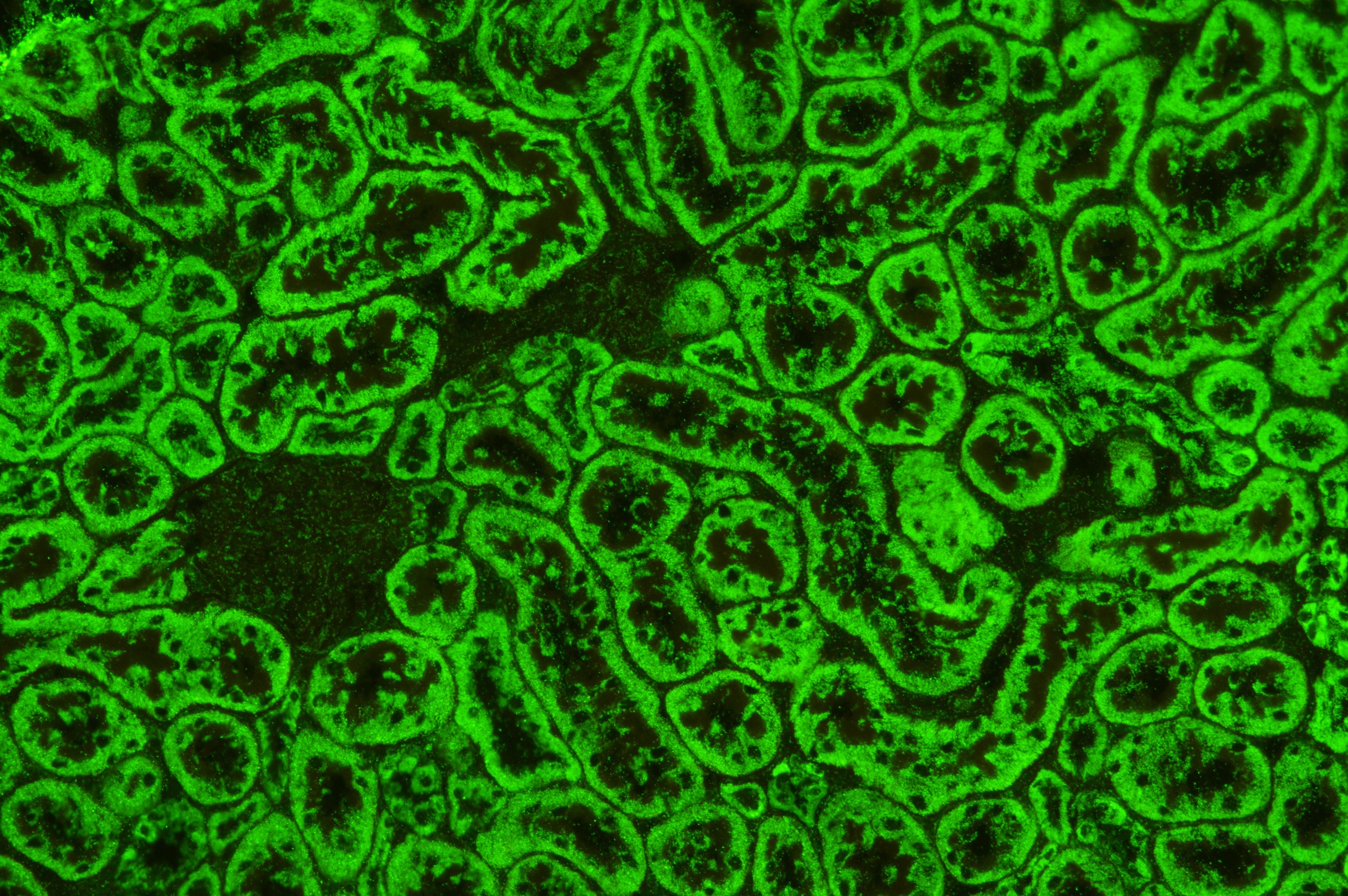
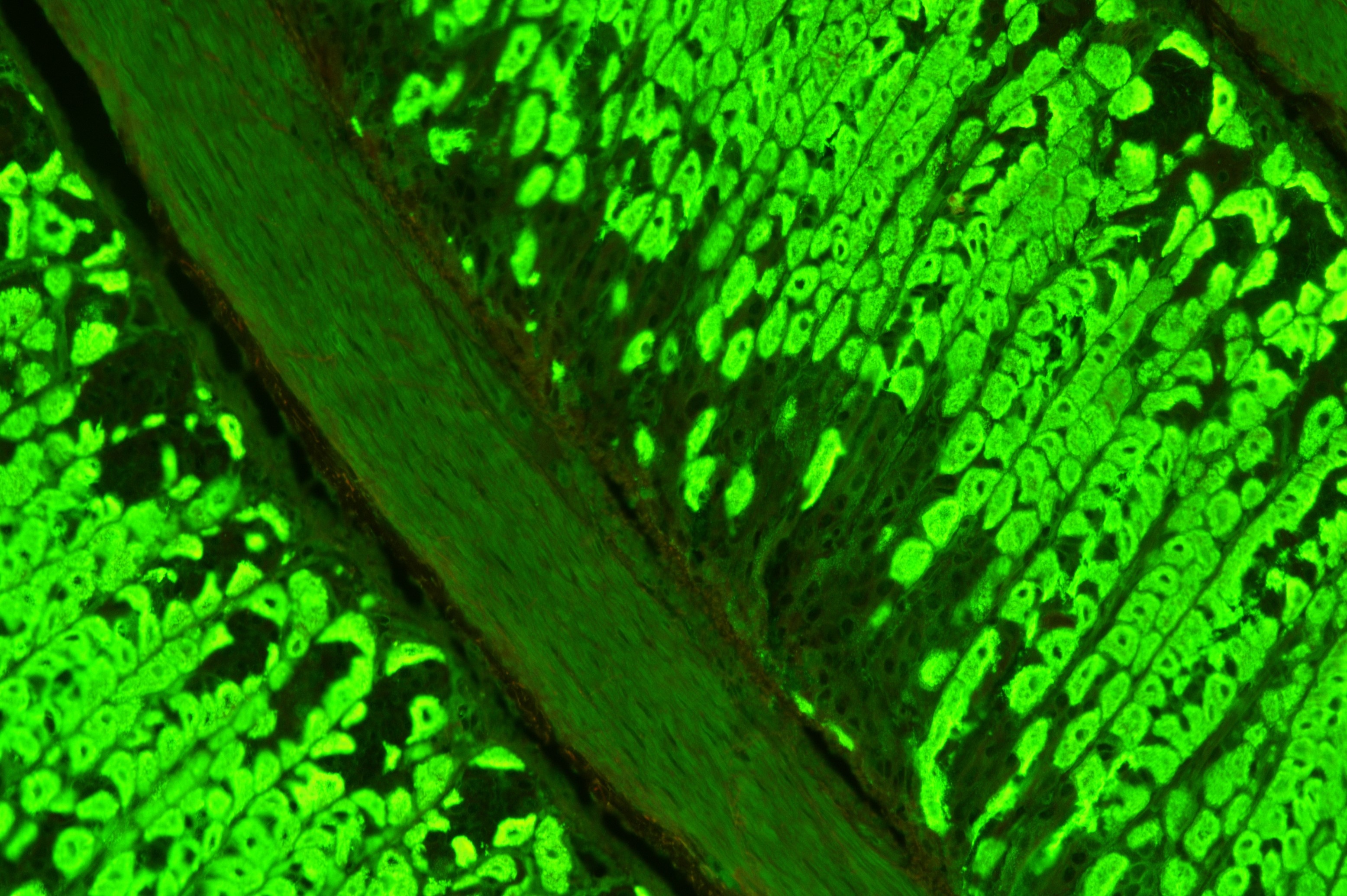
The identification and the discrimination of autoantibodies against parietal cells (APCA), mitochondria (AMA), liver-kidney microsome type 1 (LKM-1), and smooth muscle (ASMA), ensure highly valuable medical insights in a cost-efficient manner.

The combination of gastroscopy and determination of specific autoantibodies is needed for the diagnosis of gastric and hepatic autoimmune diseases:

  • Autoimmune gastritis is characterized by progressive atrophy of the gastric mucosa, reduced gastric acid secretion, and impaired production of intrinsic factor. APCA is an advantageous tool for screening for autoimmune atrophic gastritis (AAG) and pernicious anemia (PA). PA is a direct consequence of vitamin B12 defective absorption in the small intestine, leading to reduced red blood cell production and enlarged, immature erythrocytes.
  • AMA are the typical biomarkers of primary biliary cholangitis (PBC), being present in 90–95% of patients. PBC is a chronic autoimmune liver disease characterized by progressive destruction of the small intrahepatic bile ducts, leading to cholestasis and eventual liver damage
  • ASMA are a specific diagnostic marker for Autoimmune Hepatitis Type 1 (AIH-1), being present in almost 70% of the patients.
  • LKM-1 are directed against the enzyme cytochrome P450 2D6, most commonly associated with Autoimmune Hepatitis Type 2 (AIH-2 ) and occasionally detected in some cases of chronic hepatitis C infections.
Autoimmune hepatitis is a leading cause of chronic liver inflammation that can progress to liver cirrhosis and liver failure if left untreated.

Key figures

  • 1.3 million

    people worldwide are estimated to live with AIH

  • 1.5 million

    people worldwide are estimated to live with PBC

  • 90%

    of the cases of pernicious anemia are linked to AAG

How do we diagnose Autoimmune Liver and Gastric Diseases?

  • Item 1

    The detection and differentiation of autoantibodies such as anti-mitochondrial antibodies (AMA), anti-parietal cell antibodies (APCA), anti-smooth muscle antibodies (ASMA), and liver–kidney microsomal type 1 antibodies (LKM-1) represent key elements in the diagnostic path. These markers are commonly identified using indirect immunofluorescence assays (IFA) and ELISA-based methods, cost-effectively providing clinically valuable information. Targeted confirmatory tests further support the accurate diagnosis and characterization of most autoimmune hepatic and gastric disorders.
    Item 1

Knowledge & Science

No content available.

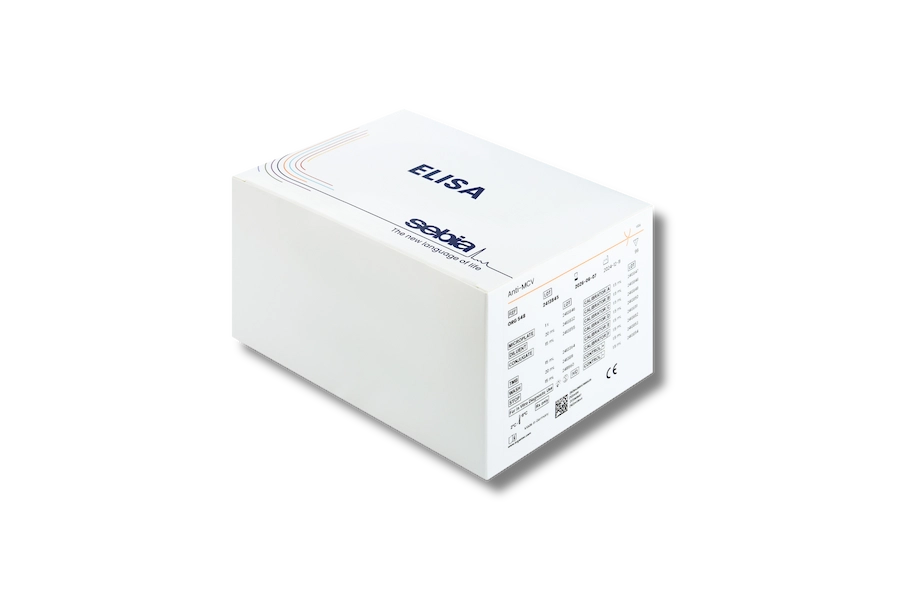
Tests for diagnosing Autoimmune Liver and Gastric Diseases

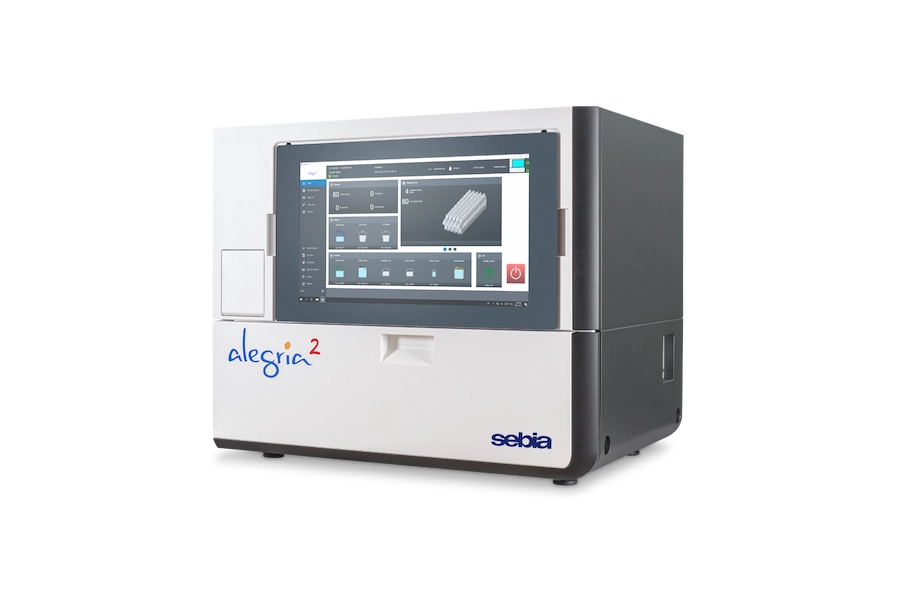
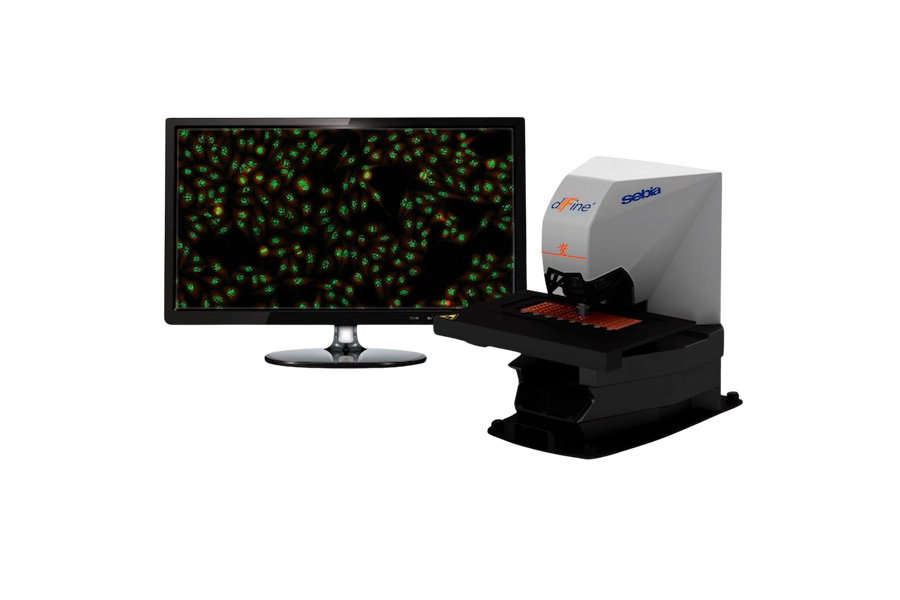
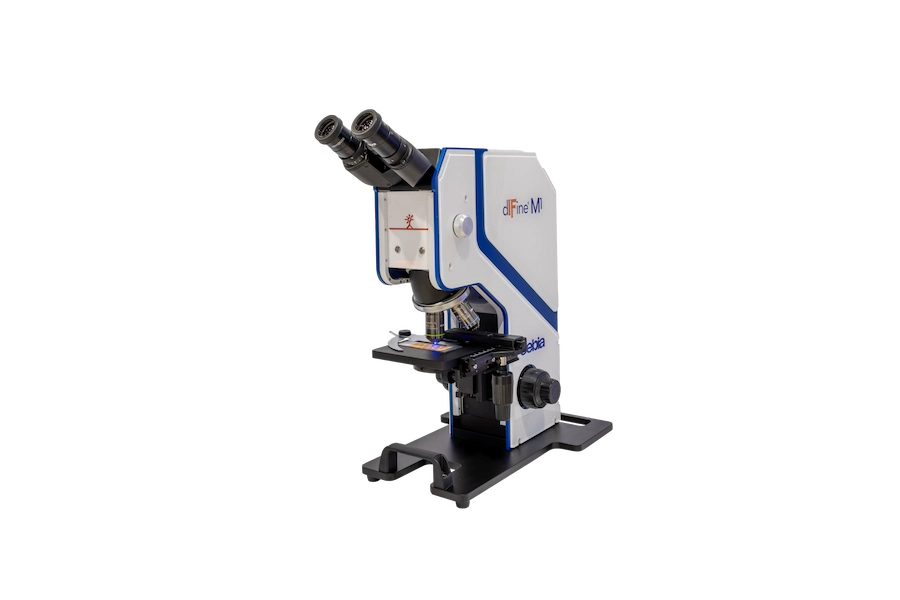
Instruments for diagnosing Autoimmune Liver and Gastric Diseases

References

a) European Association for the Study of the Liver. EASL Clinical Practice Guidelines: The diagnosis and management of patients with primary biliary cholangitis. J Hepatol. 2017 Jul;67(1):145-172.

b) Vergani D, Alvarez F, Bianchi FB, Cançado EL, Mackay IR, Manns MP, Nishioka M, Penner E; International Autoimmune Hepatitis Group. Liver autoimmune serology: a consensus statement from the committee for autoimmune serology of the International Autoimmune Hepatitis Group. J Hepatol. 2004 Oct;41(4):677-83.

c) Hall SN, Appelman HD. Autoimmune Gastritis. Arch Pathol Lab Med. 2019 Nov;143(11):1327-1331.

This section contains information intended for wide distribution and may therefore contain product details or information that is not available or valid in your country.

Please contact your local Sebia representative. Information intended for healthcare professionals.
Carefully read the instructions in the reagent package inserts and instrument manuals.