

Enzyme-Linked Immunosorbent Assay (ELISA)
Proven Performance, Trusted Results.
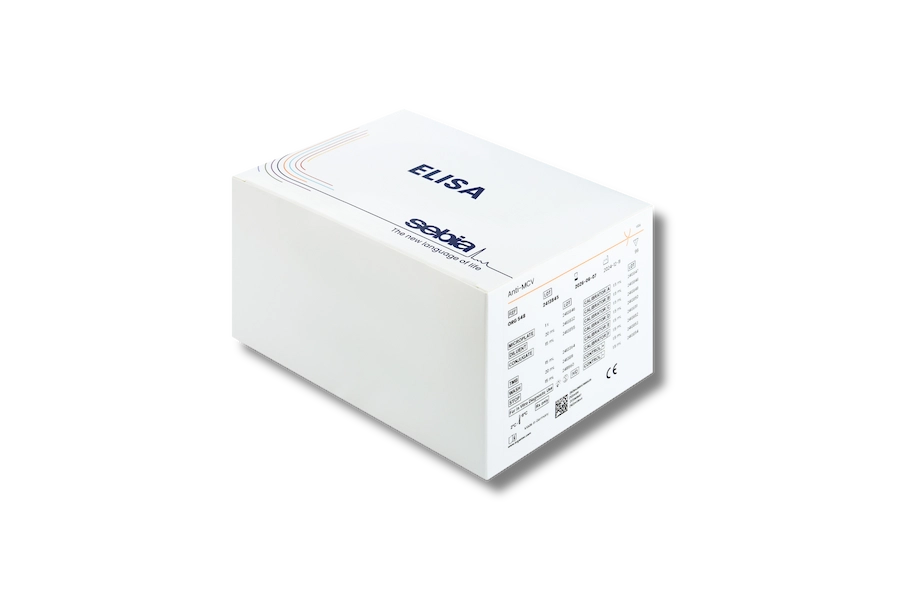
The Enzyme-Linked Immunosorbent Assay (ELISA) is a widely used laboratory technique for detecting and quantifying specific proteins and other biomarkers in biological samples. By utilizing highly specific antigen-antibody interactions, ELISA enables reliable diagnosis of autoimmune and infectious diseases and supports clinical decision-making and patient care.
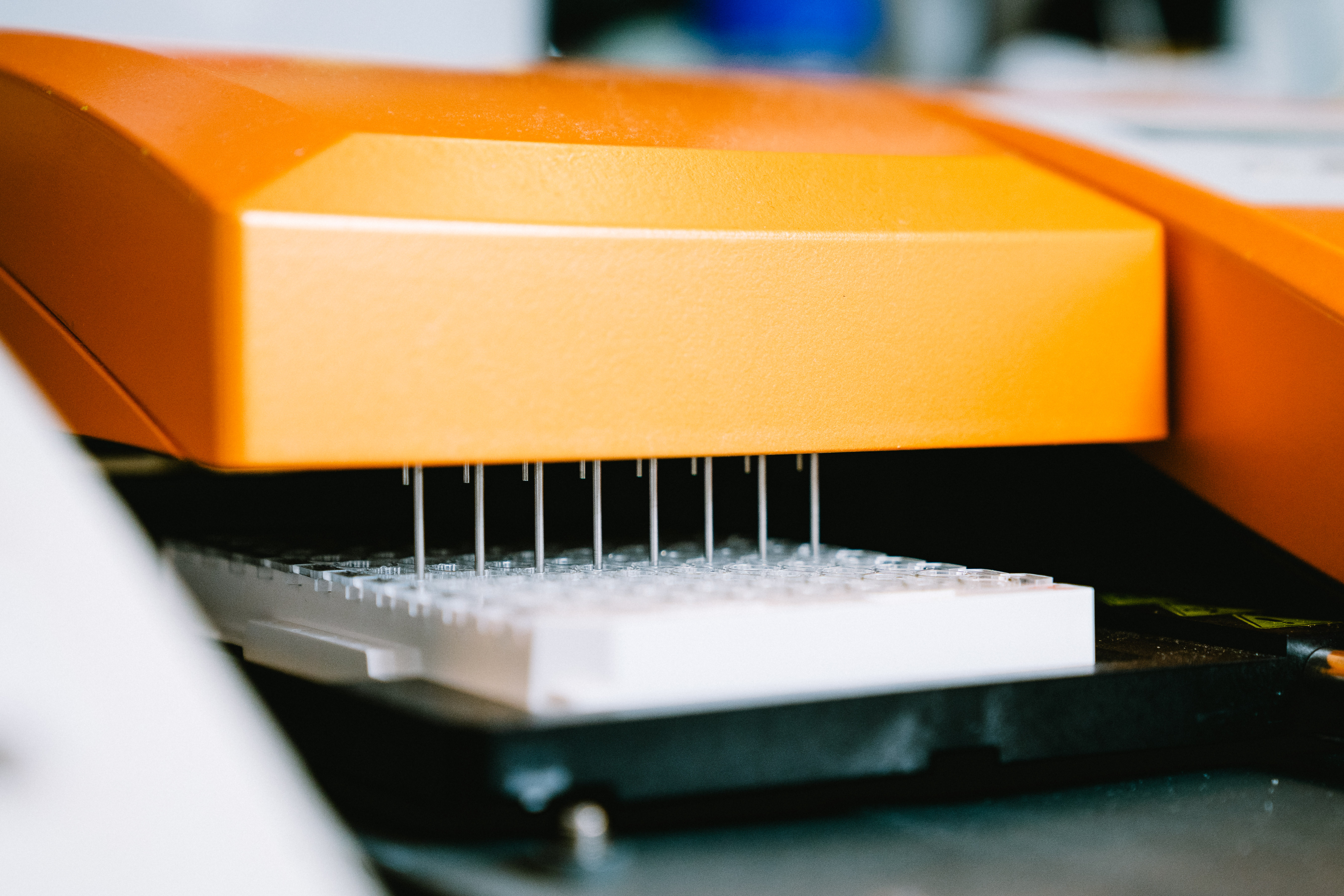
About Enzyme-Linked Immunosorbent Assay (ELISA)
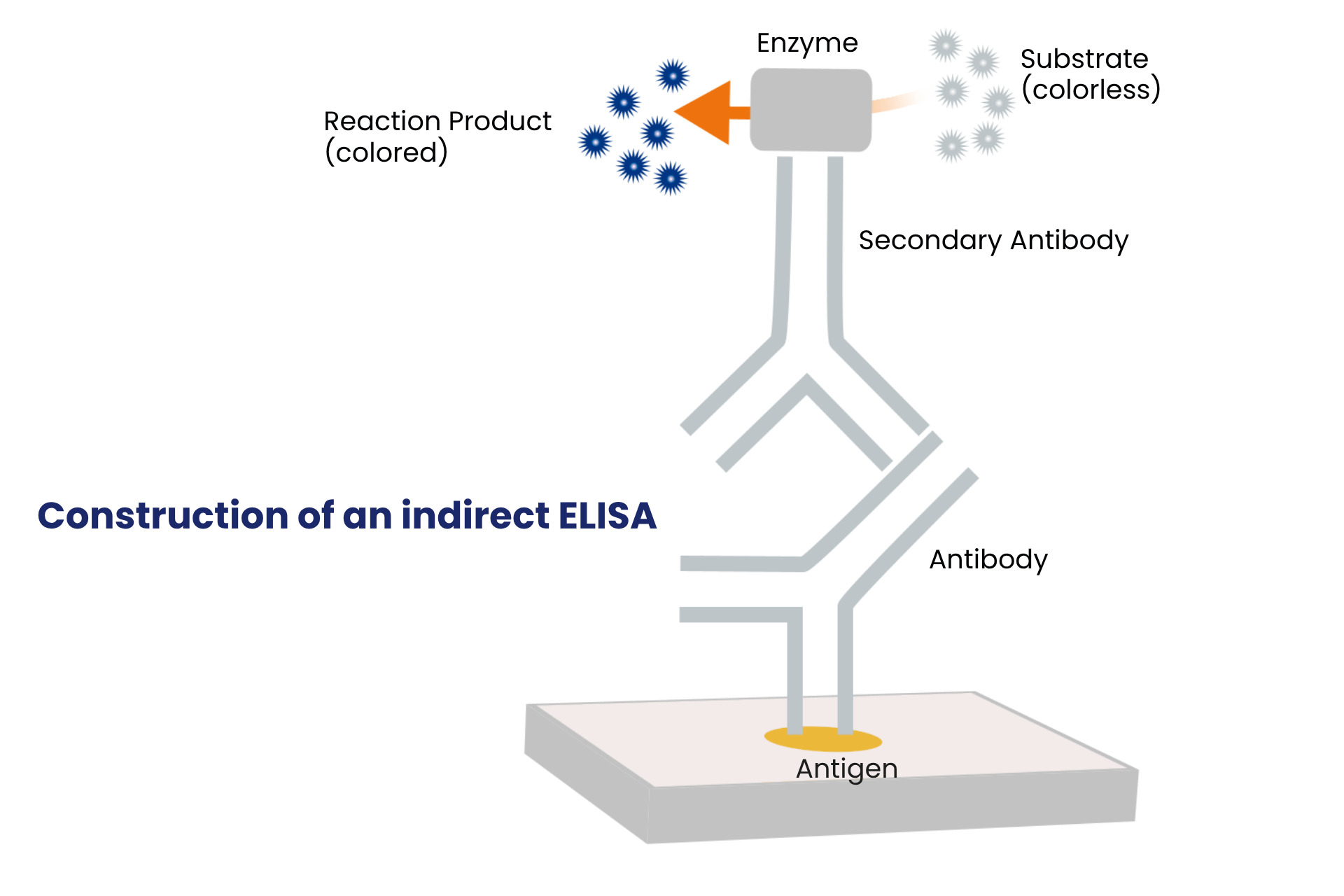
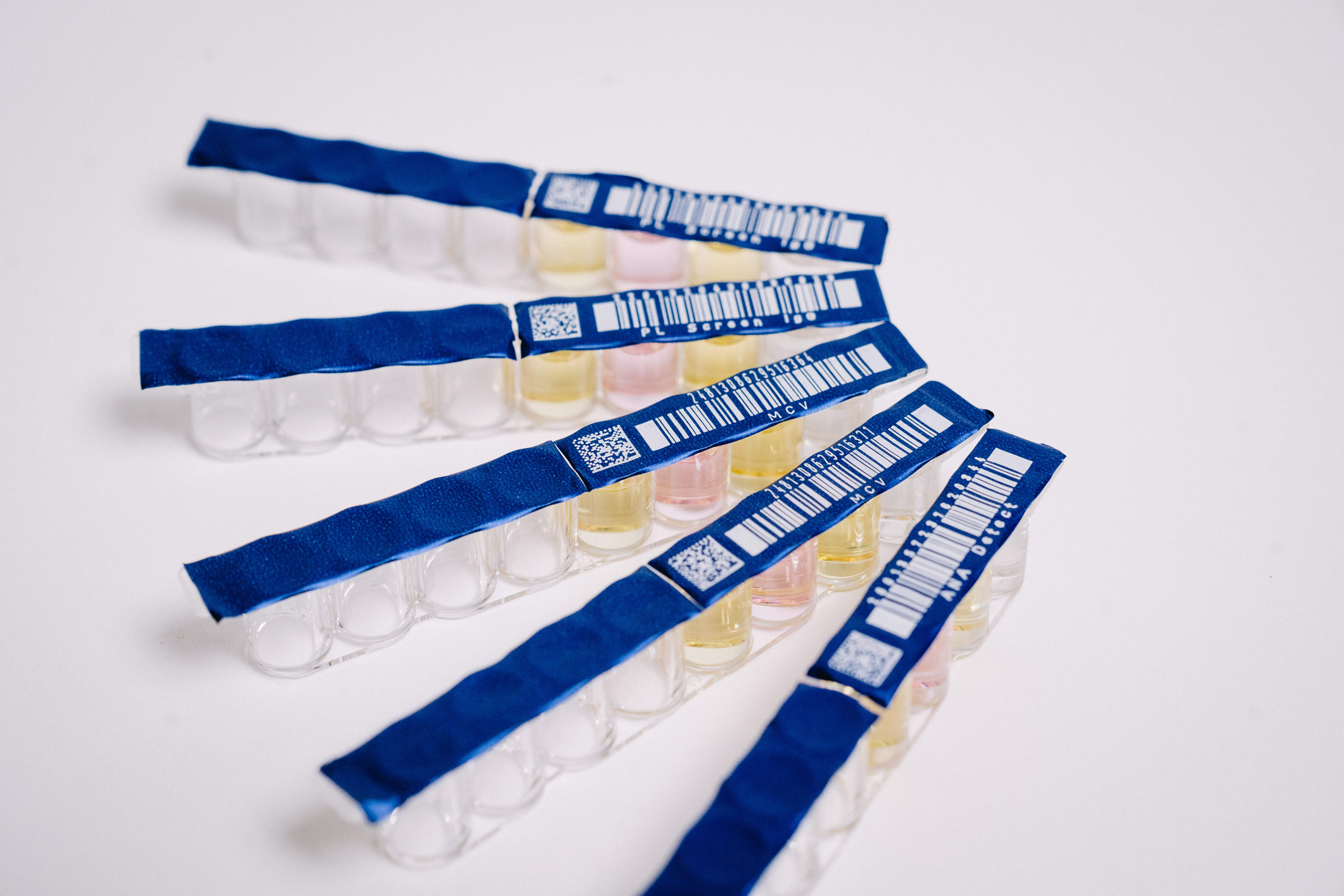
The ELISA reaction relies on the specific interaction between antibodies and antigens. Wells in ELISA plates are coated with test-specific antigens. After a wash cycle removes excess and non-specifically bound antibodies, a secondary antibody with an enzyme detects the generated immune complex. Another wash cycle removes excess of the enzyme conjugate before a colorless substrate is added and converted into a colored product by the enzyme.
The color intensity is measured photometrically. It is proportional to the antibody activity in the sample. A standardized master curve is used for evaluation.
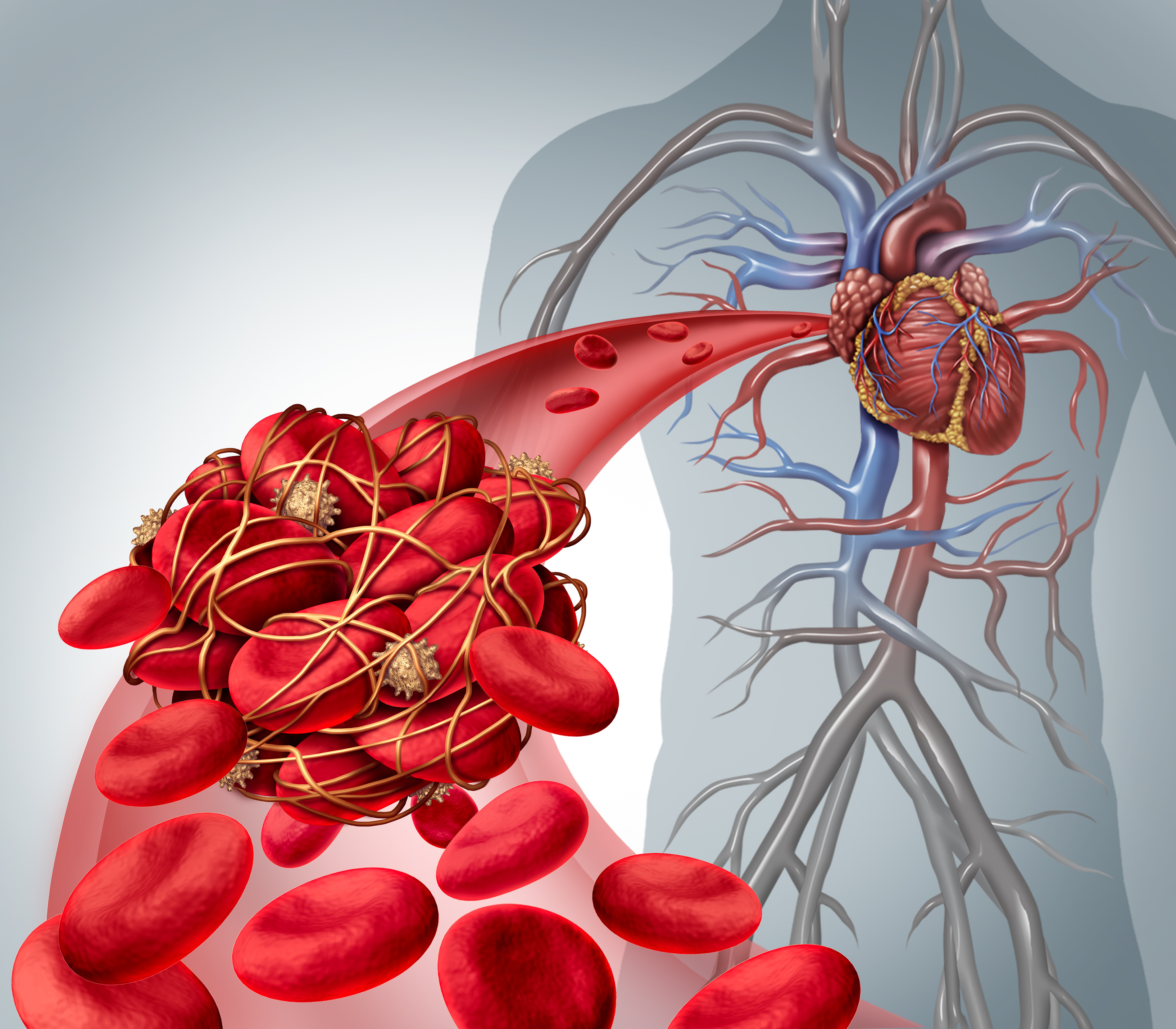
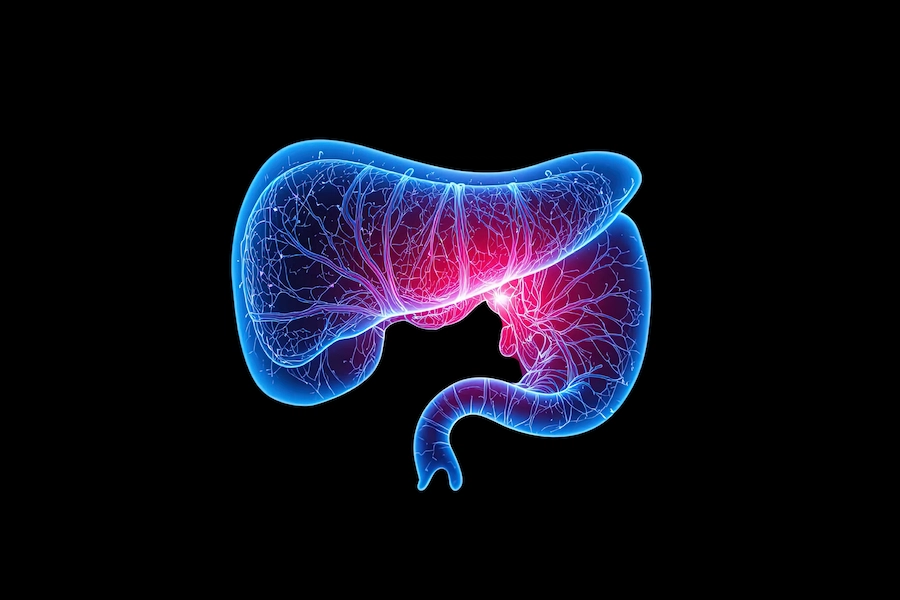
Some pathologies available on ELISA



Instruments using ELISA Technology
Knowledge & Science
Educational Webinar with Gerd-Rüdiger Burmester, MD & Roberto Fiorillo

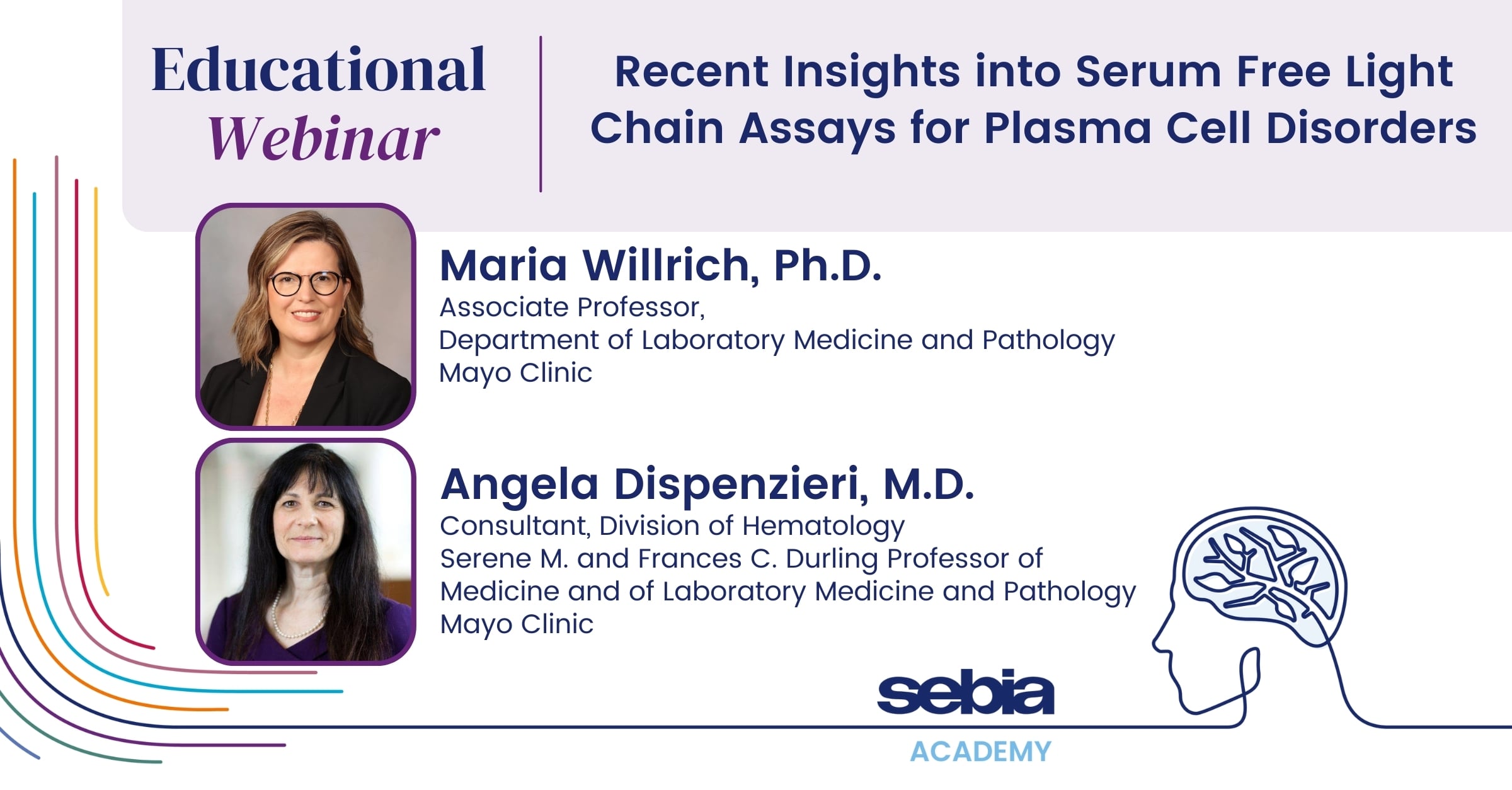
Educational Webinar with Dr. Maria Willrich & Dr. Angela Dispenzieri
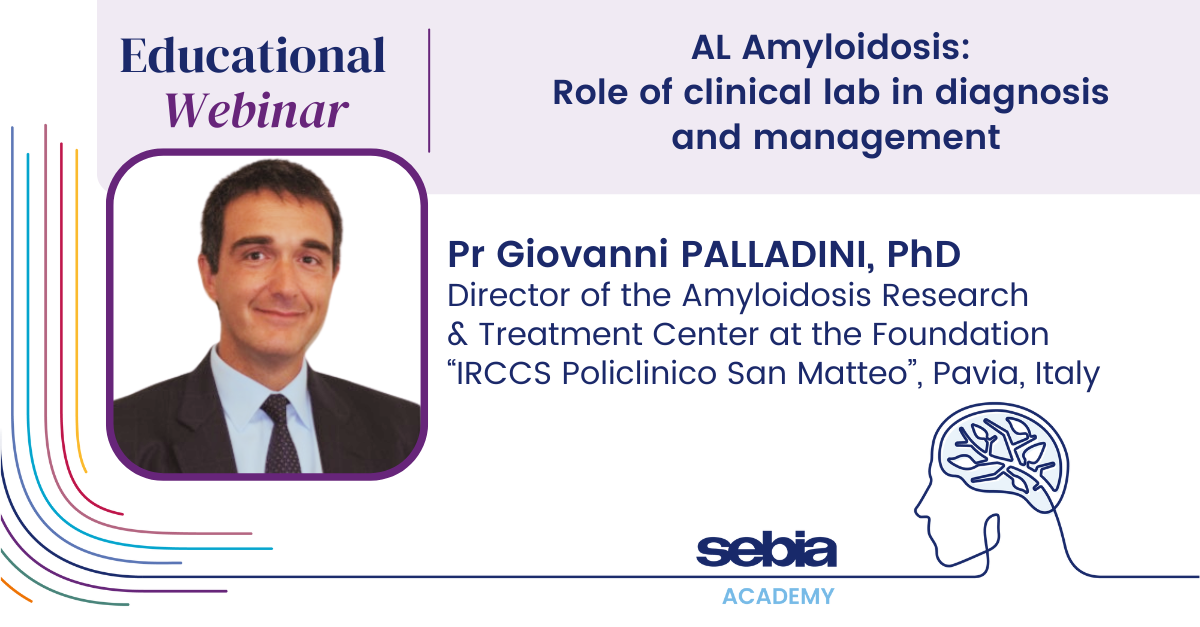
Educational Webinar with Prof. Giovanni PALLADINI, PhD
Learn more about our unique technologies
Efficient, reliable and flexible for optimized patient care.
The gold standard in autoimmune screening.
High-sensitivity technology for rapid results.
The Worldwide leader on Capillary electrophoresis with fully automated protein separation at high resolution.
Comprehensive menu with high-quality results on Agarose gel.
This section contains information intended for wide distribution and may therefore contain product details or information that is not available or valid in your country. Please contact your local Sebia representative. Information intended for healthcare professionals. Carefully read the instructions in the reagent package inserts and instrument manuals.