Select Your Region

We noticed you visit this page from United States. Please select your preferred region to continue

skip to content

Country Selector

Based on your location

Europe

North America

Latin America

Asia-Pacific

Hemoglobin Disorders

The most common hereditary disorders.

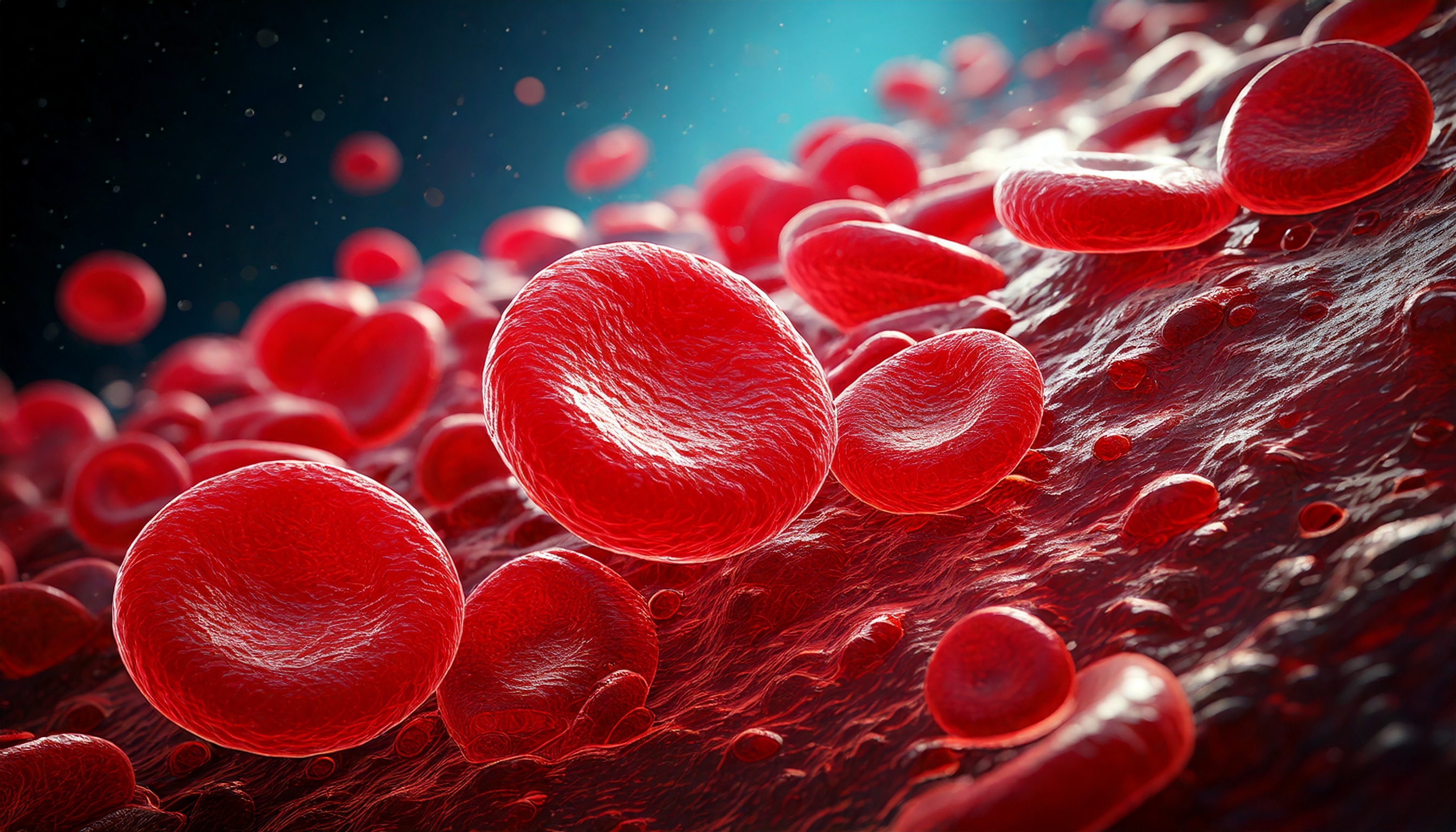
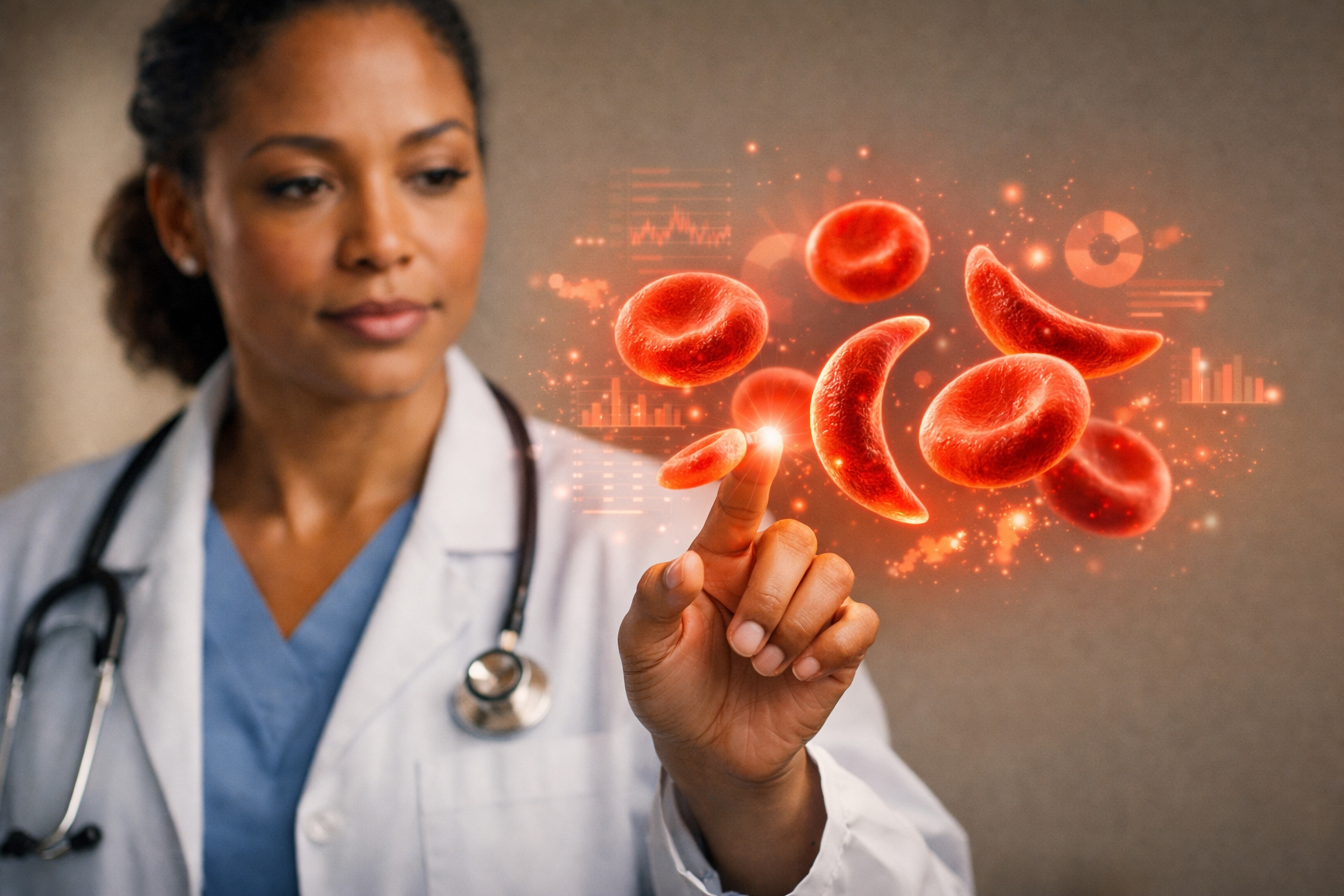
Hemoglobinopathies are the most widespread inherited disorders worldwide. Approximately 7% of the global population carries a hemoglobinopathy variant, and about 2.7 ‰ of newborns are affected by these conditions.

Historically, these disorders have been highly prevalent in populations from Southern Europe, Africa, the Middle East, and Asia. However, due to ongoing global migration, hemoglobinopathies are now encountered across many regions of the world.

Published date: 3/8/2021 | Modified date: 6/4/2026

What are hemoglobinopathies?

Hemoglobin variants and thalassemias represent two genetic categories of hemoglobin abnormalities.

Thalassemias result from reduced synthesis of normal globin chains, typically caused by gene deletions or mutations, with α‑ and β‑thalassemias being the most common forms.

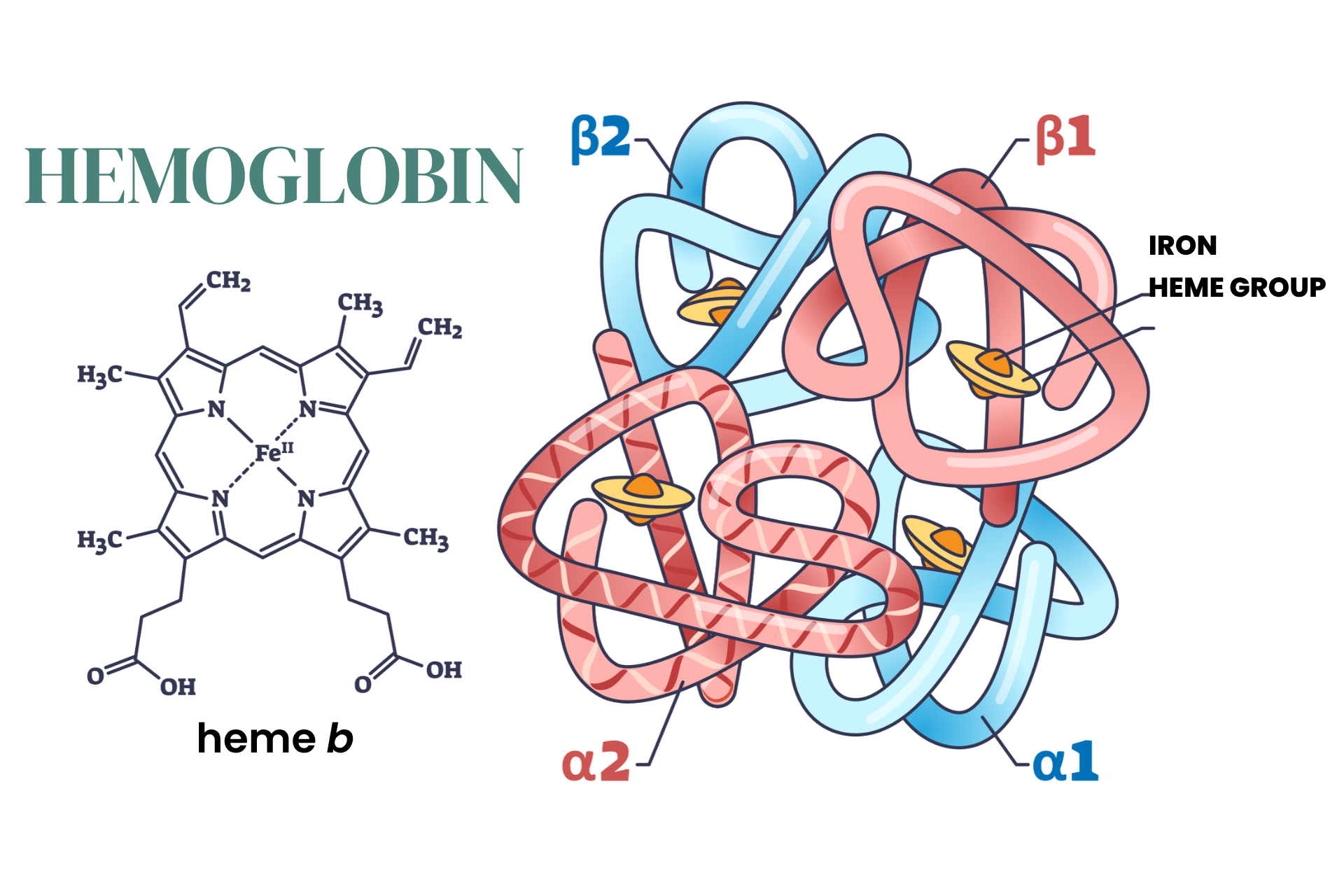
Hemoglobin variants, on the other hand, arise from amino acid substitutions or deletions in one of the globin chains, leading to a more or less significant alteration in the structure or overall ionic charge of the hemoglobin protein. More than 1,500 hemoglobin variants have been identified worldwide, although only a few occur with high frequency, notably Hb S, Hb C, Hb E, and Hb D‑Punjab (also called Hb D-Los Angeles). Hemoglobin S alone, in the absence of normal hemoglobin (Hb A), or in combination with certain variants such as Hb C, leads to Sickle Cell Disease.

Screening for hemoglobinopathies is essential because it enables early detection of severe complications, reduces morbidity and mortality, identifies asymptomatic carriers, supports informed reproductive choices, and strengthens public health planning to reduce disease burden.

Key figures

  • ≈ 8 million

    people live with Sickle Cell Disease globally

  • > 1.3 million

    people live with severe thalassemia worldwide

  • + 2 400

    variants of hemoglobin and forms of thalassemias have been described so far

How do we diagnose hemoglobinopathies?

  • Item 1

    Hemoglobinopathies encompass a wide range of clinical presentations, from mild and often asymptomatic findings such as microcytosis to severe, life‑threatening conditions like Sickle Cell Disease or Hb Bart’s hydrops fetalis, which can lead to multi‑organ damage and may require lifelong transfusion support. The diagnosis of hemoglobinopathies and clinical follow‑up rely on detecting abnormal hemoglobin fractions in electrophoresis profiles from newborns to adults, and accurately quantifying Hb A2 and Hb F fractions present.
    Item 1

Knowledge & Science

No content available.

Tests for diagnosing Hemoglobin Disorders

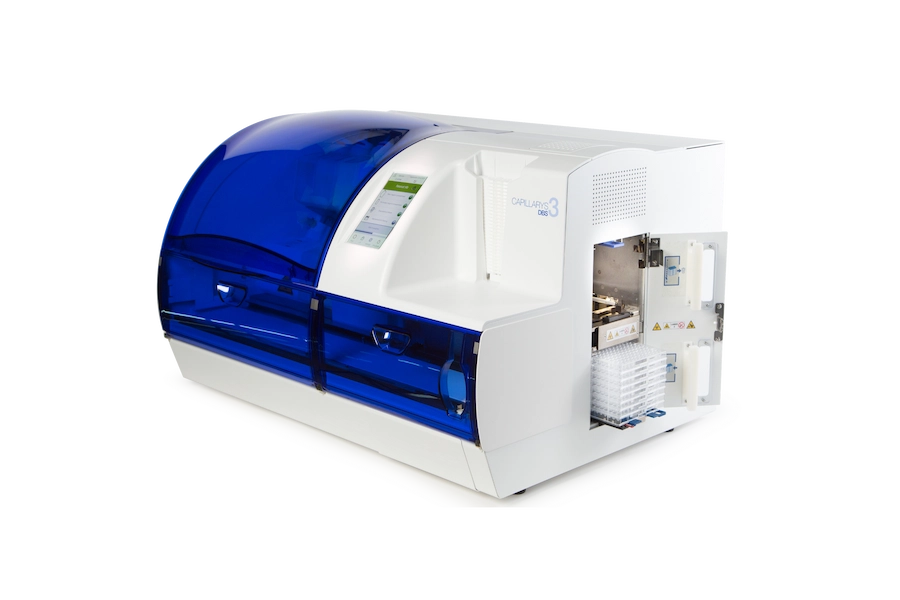
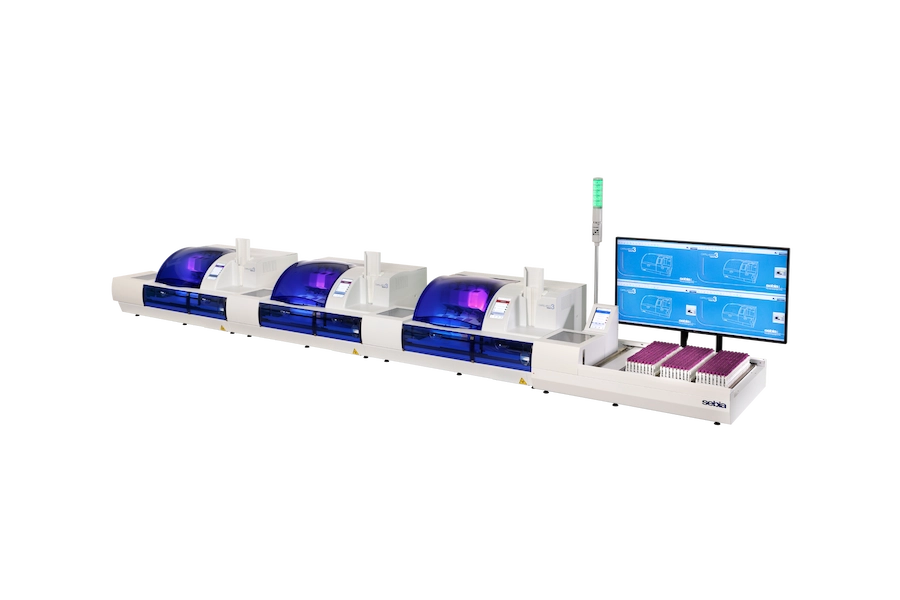
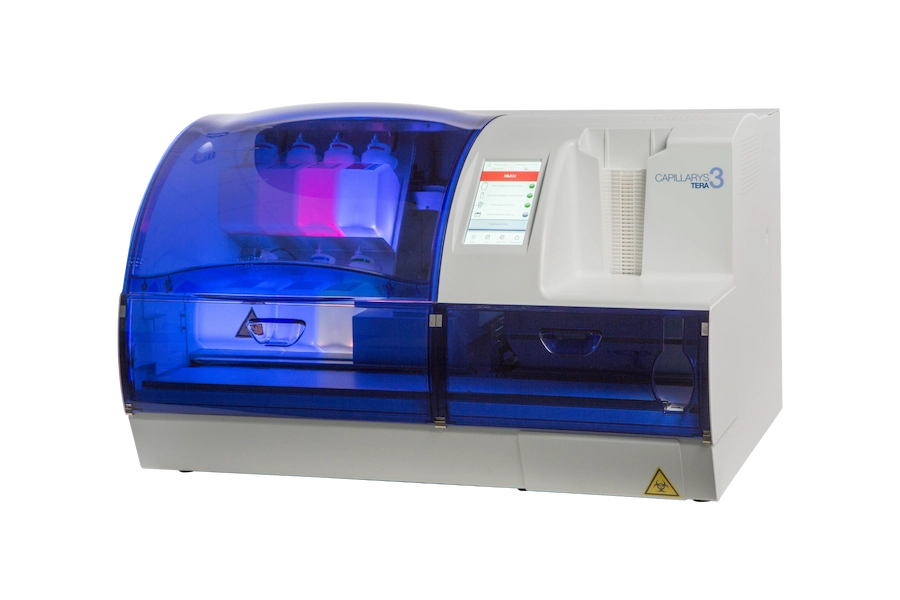
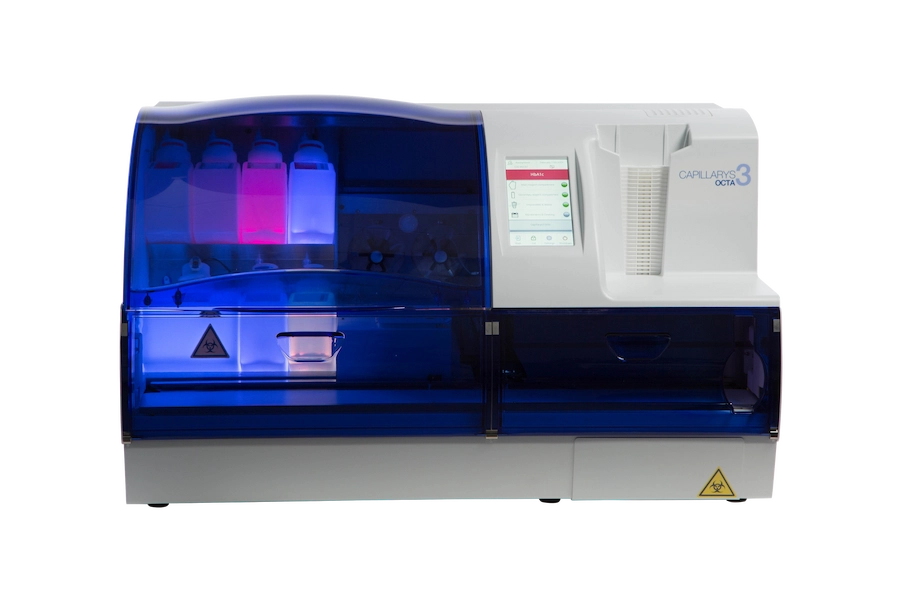
Instruments for diagnosing Hemoglobin Disorders

a) [Sickle-cell disease details - World Health Organization](https://www.who.int/news-room/fact-sheets/detail/sickle-cell-disease

b) Ithagenes database

c) Ghosh K, Ghosh K, Agrawal R, Nadkarni AH. Recent advances in screening and diagnosis of hemoglobinopathy. Expert Rev Hematol. 2020 Jan;13(1):13-21. doi: 10.1080/17474086.2019.1656525. Epub 2019 Dec 22. PMID: 31432725.

d) Tuo Y, Li Y, Li Y, Ma J, Yang X, Wu S, Jin J, He Z. Global, regional, and national burden of thalassemia, 1990-2021: a systematic analysis for the global burden of disease study 2021. EClinicalMedicine. 2024 May 6;72:102619. doi: 10.1016/j.eclinm.2024.102619. PMID: 38745964; PMCID: PMC11090906

e) Therrell BL Jr. Newborn Screening for Hemoglobinopathies and Thalassemias: Brief History, Recent Activities, and Global Status-2026. Int J Neonatal Screen. 2026 Feb 17;12(1):8. doi: 10.3390/ijns12010008. PMID: 41718422; PMCID: PMC12922127

This section contains information intended for wide distribution and may therefore contain product details or information that is not available or valid in your country.

Please contact your local Sebia representative. Information intended for healthcare professionals.
Carefully read the instructions in the reagent package inserts and instrument manuals.