ADA Standards of Care 2023 — Key Updates
A clear overview of the most relevant ADA recommendations for HbA1c use in diagnosis and long‑term diabetes management, including thresholds, testing frequency, and clinical decision points.

Hemoglobinopathies, including sickle cell disease and thalassemias, are among the most common inherited blood disorders worldwide. Early detection through newborn screening is critical for initiating timely interventions that can significantly improve health outcomes and reduce morbidity and mortality. This webinar will explore the clinical significance of hemoglobinopathy screening in newborns, review current screening methodologies, and discuss global strategies for implementing effective screening programs. Attendees will gain valuable insights into the benefits of early diagnosis and the role of public health initiatives in managing these conditions from infancy.
May 12th, 2026 - 10:00 am (CET)
May 13th, 2026 - 4:00 pm (CEST)

A clear overview of the most relevant ADA recommendations for HbA1c use in diagnosis and long‑term diabetes management, including thresholds, testing frequency, and clinical decision points.
How HbA1c supports both initial diagnosis and ongoing monitoring, and why it remains a cornerstone marker despite biological and analytical limitations.
A comparison of major analytical technologies (HPLC, immunoassay, enzymatic methods, capillary electrophoresis), highlighting their principles, strengths, and potential sources of bias.
Guidance on recognizing and managing interferences such as hemoglobin variants, anemia, altered red cell turnover, and other factors that may distort HbA1c values.
“Understanding the strengths and limitations of HbA1c methodologies is essential for accurate diabetes diagnosis and monitoring.”
Clinical biochemistry specialist. Clinical laboratory geneticist (EBMG). @ Laboratory of Metabolic Disorders and Newborn Screening Center of Eastern Andalusia

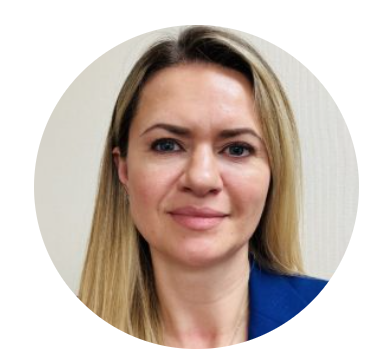
Dr. Bryksin is the System Medical Director for Core Laboratories at Emory Healthcare in Atlanta.
She is a board‑certified clinical chemist with extensive experience in method evaluation, laboratory standardization, and the implementation of advanced testing technologies.
Her work focuses on improving analytical quality, managing interferences, and ensuring reliable HbA1c testing aligned with ADA and NGSP/IFCC standards.
Educational Webinar with Dr.Matthew C. Wagner

Educational Webinar with David G. Grenache, PhD, D(ABCC) Chief Scientific Officer, TriCore Reference Laboratories
This section contains information intended for wide distribution and may therefore contain product details or information that is not available or valid in your country. Please contact your local Sebia representative. Information intended for healthcare professionals. Carefully read the instructions in the reagent package inserts and instrument manuals.