Understand the modern diagnostic approach to multiple myeloma
Learn how serum and urine testing, bone marrow evaluation, and imaging techniques are combined to diagnose multiple myeloma accurately.

This webinar is presented in English.

Multiple myeloma is the second most common hematologic malignancy. In Multiple myeloma a serum or urine monoclonal component is produced by bone marrow plasma cells. Great progresses have been made in the latest 10 years and survivals are nearly doubled. This improvement has been reached with novel efficacious drugs and with implemented diagnostic tools. The diagnosis is made by serum and urine biochemicals exams, by radiological examination and by marrow analysis. Novel diagnostic parameters have been introduced and novel prognosticators are present. Cytogenetics , flow cytometry, PET-CT are only few of them. Laboratory tools are present that can diagnose, detect and monitor disease during follow up. In this presentation an overview of multiple myeloma diagnostic and therapeutic tools will be given according to recent IMWG recommendations and with practical clinical cases discussed.
Learn how serum and urine testing, bone marrow evaluation, and imaging techniques are combined to diagnose multiple myeloma accurately.
Discover the role of advanced technologies such as flow cytometry, cytogenetics, and PET-CT in disease characterization, risk assessment, and patient management.
Gain practical insights into disease detection, monitoring, and treatment strategies based on the latest International Myeloma Working Group (IMWG) guidelines and real-world patient examples.
Free light chains revolutionized the multiple myeloma field and plasma cell dyscrasias
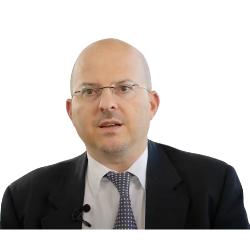
Dr. Alessandro Gozzetti earned his medical degree from the University of Bologna, Italy, in 1993, followed by a Hematology fellowship in 1997 and a PhD in Oncology in 2001. He further advanced his research training as a Research Fellow at the University of Chicago's Molecular Cytogenetic Cancer Center, working under the mentorship of renowned scientists Dr. Janet Rowley and Dr. Michelle Le Beau.
Currently, Dr. Gozzetti serves as Associate Professor in the Division of Hematology at the University of Siena, Italy, where he has also directed the Molecular Cytogenetics Laboratory since 2001. Deeply involved in multiple myeloma research and patient care since 1997, he has led numerous clinical trials as Principal Investigator and contributed to several collaborative publications and guideline initiatives.
A member of the International Myeloma Working Group (IMWG), Dr. Gozzetti recently led a national research project on central nervous system (CNS) myeloma, published in Cancer. He is also among the founders of the Multiple Myeloma Tuscan Group and has authored more than 170 scientific publications in hematology, with a particular focus on multiple myeloma and plasma cell disorders.
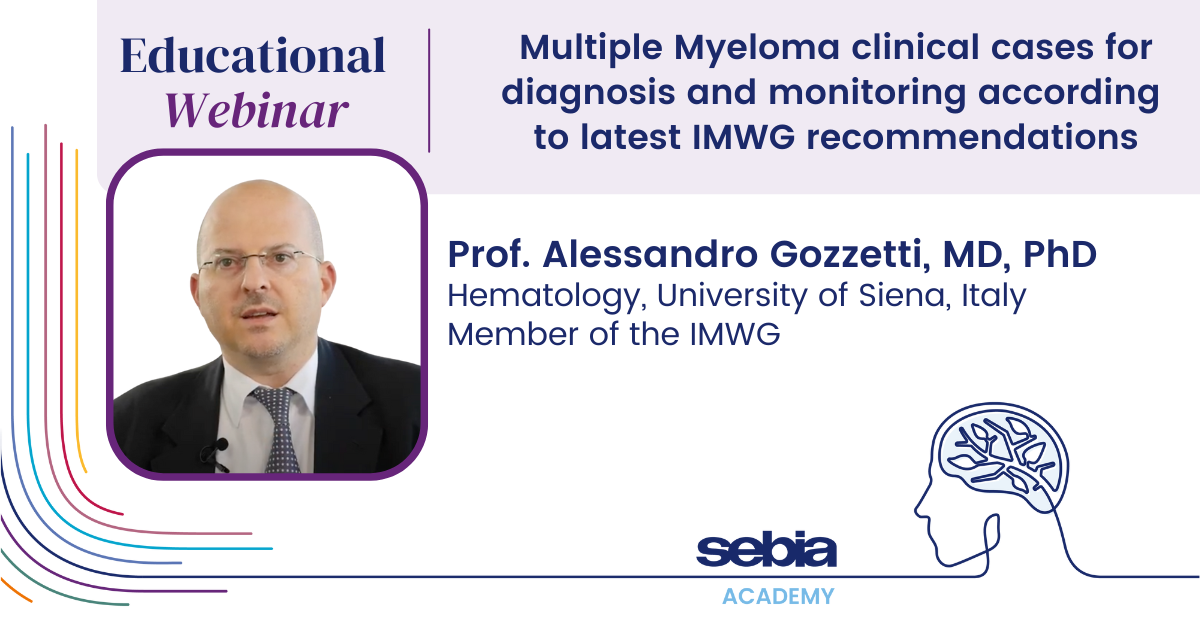
Educational Webinar with Prof. Alessandro Gozzetti, MD, PhD
Educational Webinar with Prof. Giovanni PALLADINI, PhD
Educational Webinar with Katie Thoren, PhD
This section contains information intended for wide distribution and may therefore contain product details or information that is not available or valid in your country. Please contact your local Sebia representative. Information intended for healthcare professionals. Carefully read the instructions in the reagent package inserts and instrument manuals.